A Singular Silhouette in the Maltese Landscape
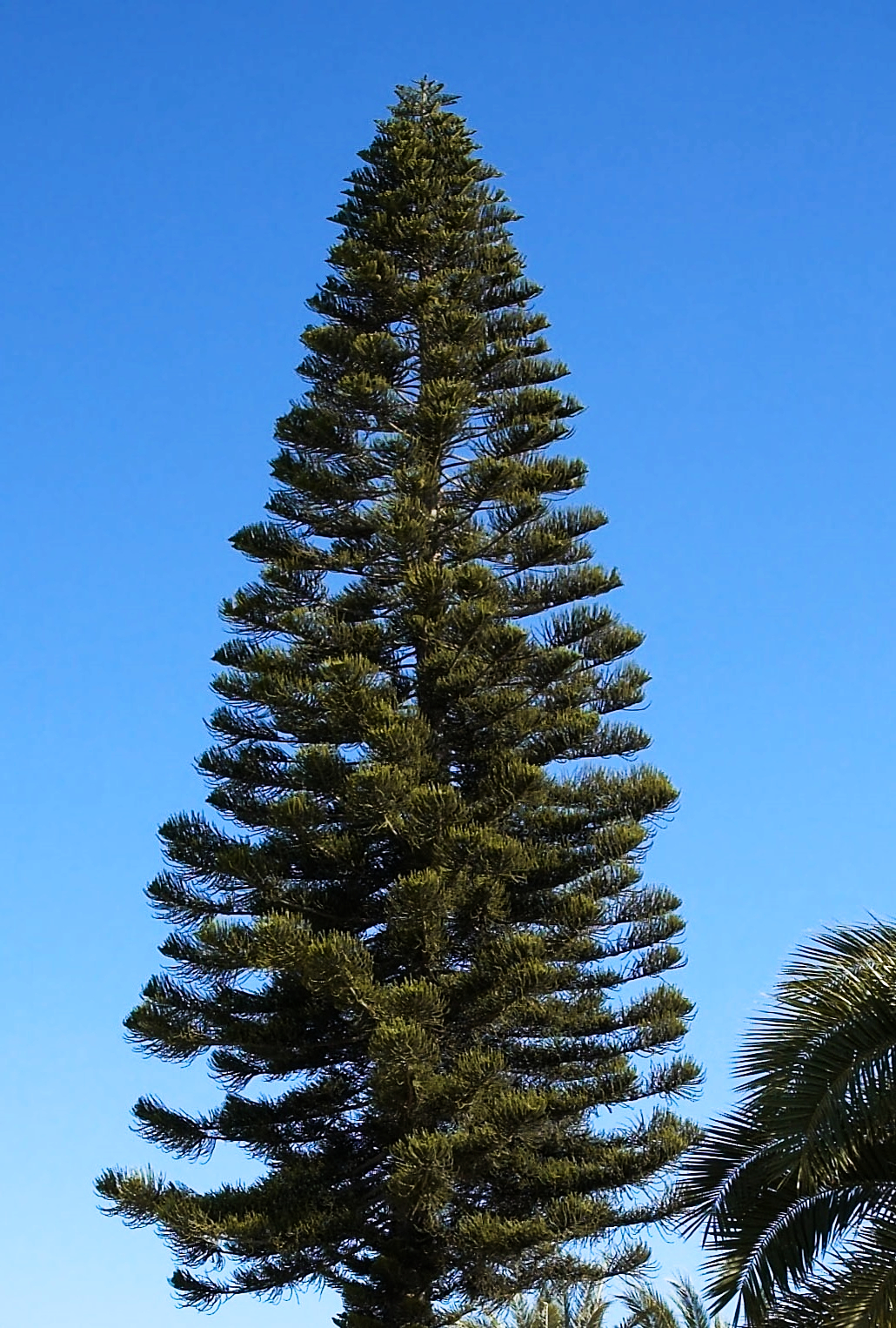
Among the trees that punctuate Malta’s urban and coastal scenery, one immediately stands out: the araucaria, easily recognisable by its candelabra-like form and geometric branches. Frequently seen in gardens, cemeteries, parks and along roadsides, this remarkable tree brings a distinctive vertical presence to the Maltese landscape.
Often referred to as the Norfolk Pine (Araucaria heterophylla), the araucaria belongs to the Araucariaceae family, a group of ancient conifers originating mainly from the southern hemisphere, particularly South America and New Caledonia.
Characteristics and Botanical Features
In its natural habitat, the araucaria can reach heights of 20 to 50 metres, although specimens found in Malta generally remain more modest in size. When young, the tree displays a perfectly conical silhouette, which gradually becomes flatter and more architectural with age.
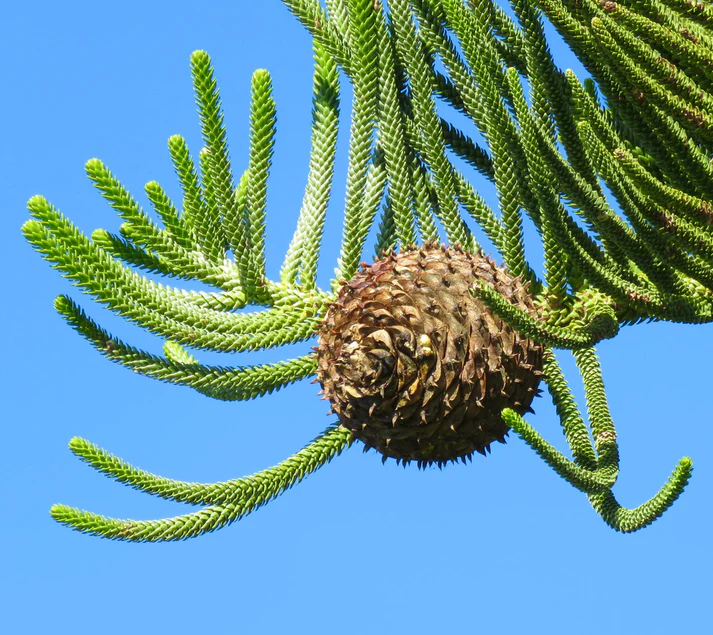
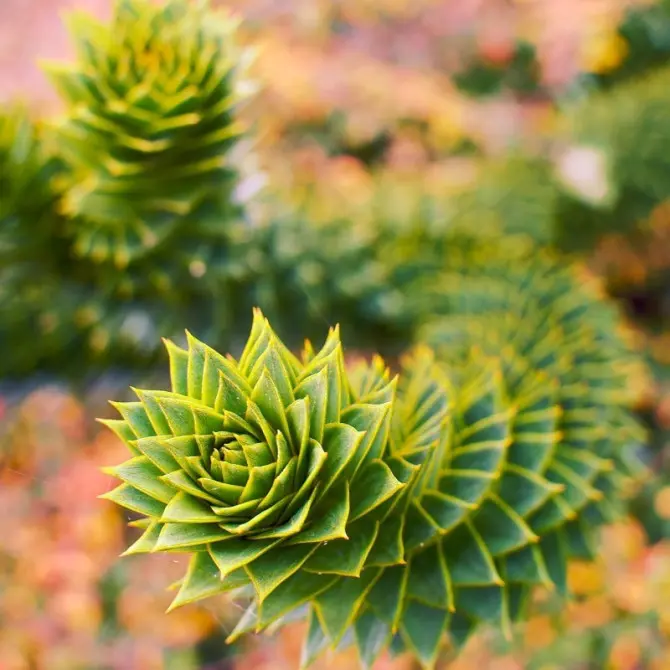
Its evergreen leaves are thick, triangular and leathery, arranged in a precise spiral around the branches. These leaves can remain on the tree for up to fifteen years, contributing to its dense and enduring appearance. The bark is rough, thick and greyish, a feature that enhances the tree’s resilience to harsh conditions.
Thanks to these characteristics, the araucaria adapts particularly well to windy and saline environments, explaining its success in Malta’s coastal climate.
Traditional Uses in Medicine and Agronomy
Historically, the araucaria played an important role among indigenous South American communities, notably the Mapuche and Pehuenche peoples. Its large seeds, often compared to pine nuts, are rich in starch and traditionally consumed as a pseudo-cereal.
In traditional medicine, araucaria resin was used for its antiseptic properties, applied to treat skin conditions such as wounds, ulcers and certain infections. These uses, however, belong to ancestral South American practices and are not part of Maltese medicinal traditions.
From the Southern Hemisphere to Malta
The araucaria is not native to Malta. It was most likely introduced during the 19th century as an ornamental species. The tree arrived via England, where it had been imported earlier from Chile and New Caledonia by botanists and plant hunters during the great era of botanical exploration in the 18th and 19th centuries.
Its striking appearance and adaptability to Mediterranean conditions quickly made it a popular choice for landscaping, allowing it to become a familiar — though non-native — element of the Maltese environment.
The Araucaria in the Maltese Landscape Today
In Malta, the most common species is Araucaria heterophylla, locally known as Awrikarja kbira. It is widely planted in:
- public gardens
- cemeteries
- institutional grounds
- landscaped avenues and roadsides.
The tree is particularly valued for its resistance to strong winds and atmospheric salinity, two defining features of island ecosystems. Its evergreen foliage provides year-round greenery, while its imposing silhouette often acts as a visual landmark visible from a distance.
More than a simple ornamental tree, the araucaria lends an exotic, almost sculptural quality to the Maltese landscape, blending imported botanical heritage with local scenery.
FAQ – The Araucaria in Malta
What is the candelabra-shaped tree seen in Malta?
It is most often an araucaria, specifically Araucaria heterophylla, also known as the Norfolk Pine.
Is the araucaria native to Malta?
No. It was introduced in the 19th century as an ornamental tree, likely via England.
Why does the araucaria grow well in Malta?
Its resistance to wind, salt air and varied climates makes it particularly suited to Malta’s coastal environment.
Are araucaria seeds eaten in Malta?
No. While the seeds are traditionally consumed in South America, this practice is not common in Malta.