
Cover photo: Underground chamber in Malta.
Sculpture by Denis Pondruel.
The Snop House Collection.
Located in the heart of the Mediterranean Sea, Malta is one of Europe's most fascinating destinations. Despite its small size, this Mediterranean archipelago has played a decisive role in world history thanks to its exceptional strategic location between Europe, North Africa and the Middle East.
Today, Malta attracts travelers from around the world with its rich history, UNESCO heritage sites, vibrant culture and breathtaking coastline. But beyond tourism, the island's importance lies in its unique position as a historic crossroads of civilizations and maritime trade routes.
Understanding where Malta is located and why it has been so influential throughout history reveals why this small archipelago has had such a disproportionate global impact.
Your Title Goes Here
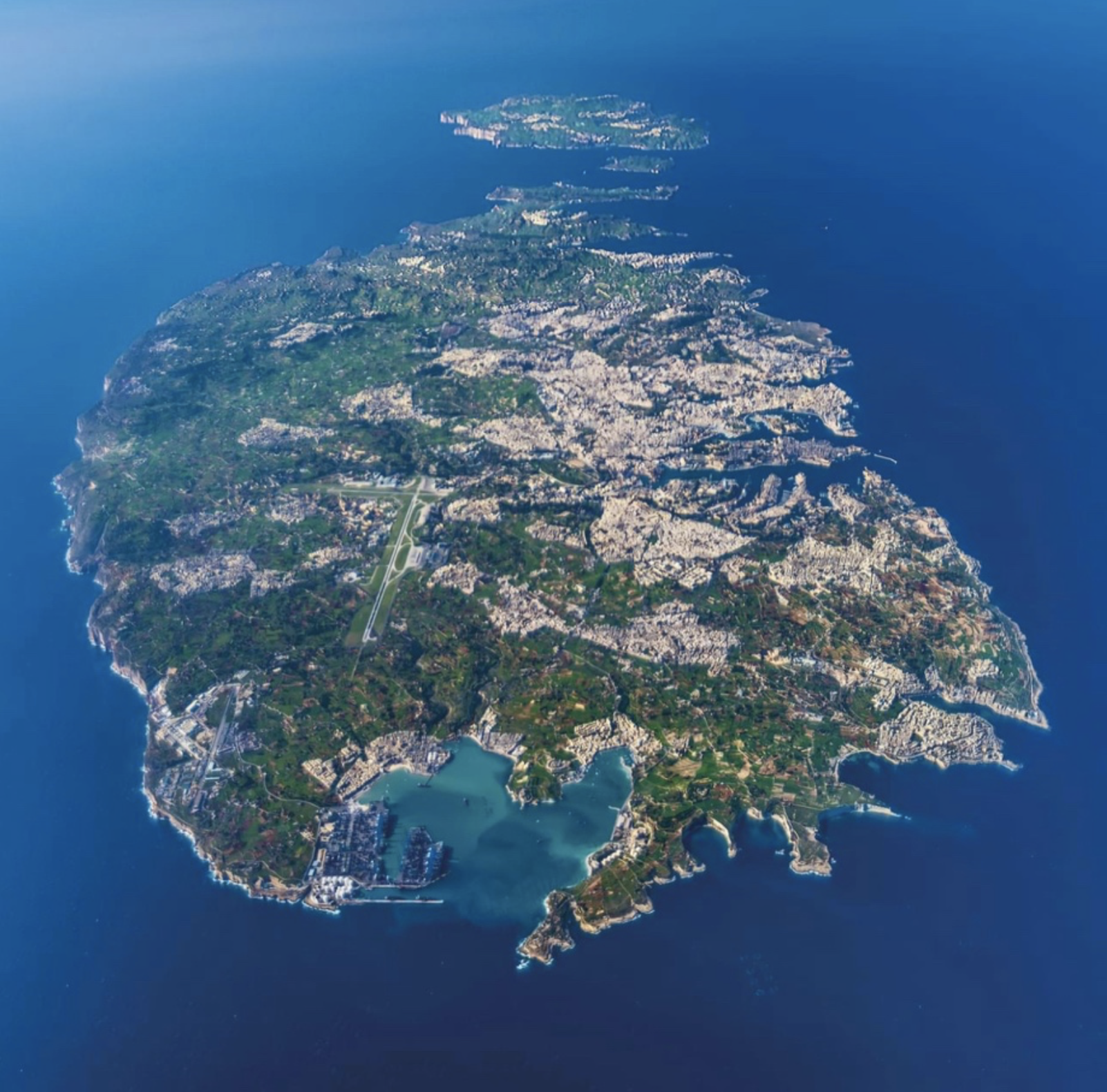
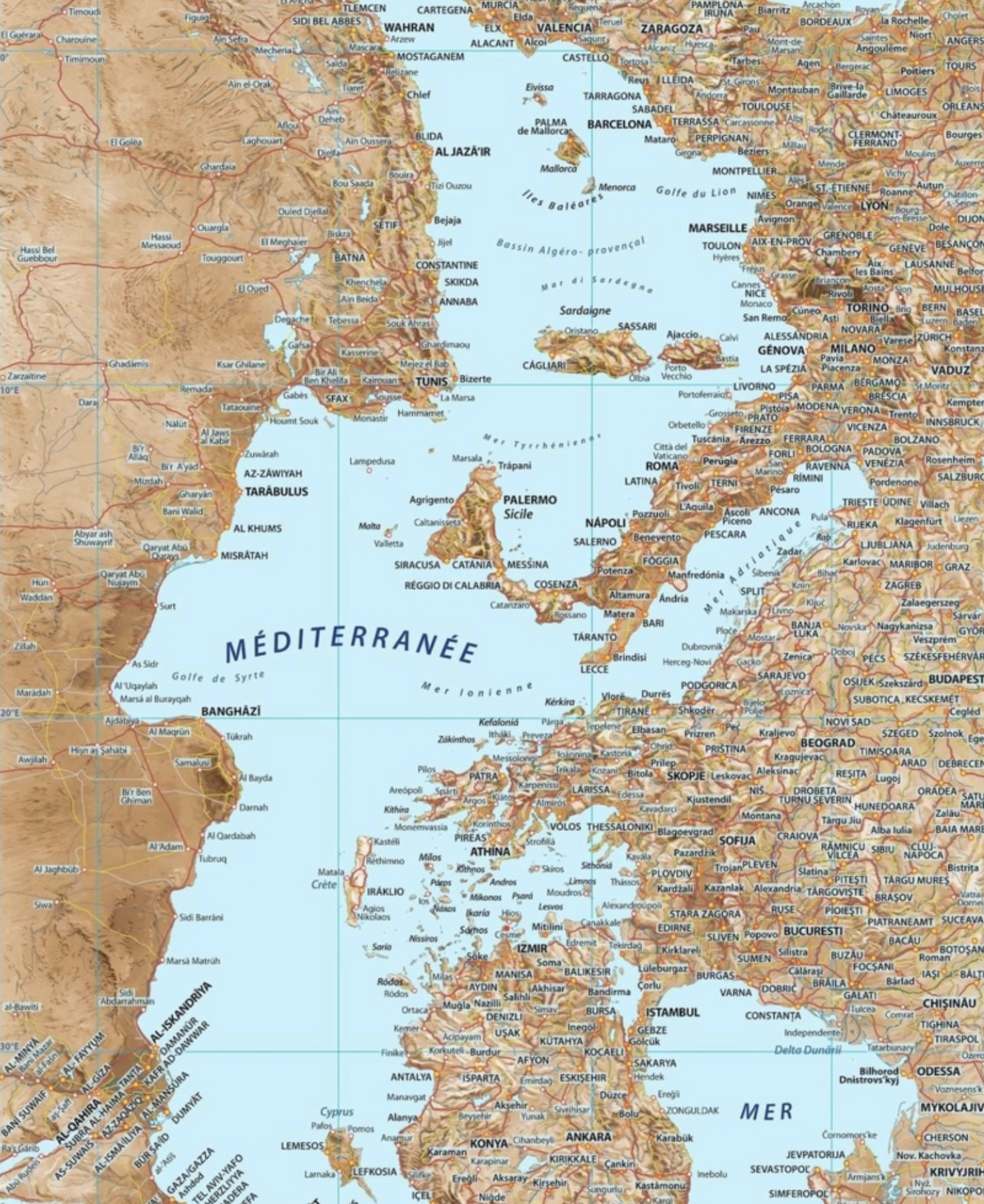
Malta is located in the central Mediterranean Sea, just 93 km south of Sicily and 297 km north of Tunisia. This strategic position places the archipelago exactly between the eastern and western Mediterranean basins, making it a natural gateway between Europe, North Africa and the Middle East.
Because of this location, Malta has historically controlled key maritime routes linking:
• Europe to North Africa
• The Atlantic Ocean to the Suez Canal
• Western Mediterranean trade routes to the eastern Mediterranean
For centuries, this geographic centrality has made Malta a critical maritime hub for trade, military operations and cultural exchanges. Even today, Malta remains one of the most important strategic points in the Mediterranean region.
Malta Through History: A Crossroads of Civilizations
Malta's location has shaped its history for thousands of years. The archipelago has been inhabited since prehistoric times and has attracted many of the world's most powerful civilizations.
Over the centuries, Malta was successively ruled or influenced by:
• Phoenicians
• Carthaginians
• Romans
• Arabs
• Normans
• Spanish rulers
• The Knights of St. John
• The British Empire
Each civilization left its mark on the island's architecture, culture and traditions, making Malta one of the most historically layered destinations in Europe.
Malta's Neolithic Heritage and Ancient Temples
Long before classical civilizations reached the Mediterranean, Malta was already home to advanced societies. The archipelago is famous for its megalithic temples, built around 3600 BC during the Neolithic period. These temples - including the famous Ggantija, Hagar Qim and Mnajdra complexes - are among the oldest freestanding structures in the world, even older than the pyramids of Egypt.
These prehistoric monuments confirm that Malta was already an important stop along ancient maritime routes thousands of years ago.
Today, many of these temples are recognized as UNESCO World Heritage Sites, attracting historians and travelers fascinated by ancient civilizations.
Malta in Mythology: The Island of Calypso
Malta's influence is not only historical but also mythical. According to Homer's Odyssey, the island of Gozo is believed to be the home of Calypso, the nymph who kept the hero Ulysses (Odysseus) captive for seven years.
In the legend, the cave where Calypso lived overlooks the Mediterranean Sea, reinforcing Malta's image as a mysterious island between worlds — a place where mythology and reality intertwine. This mythical association further highlights Malta's role as a symbolic Mediterranean stopover between civilizations.
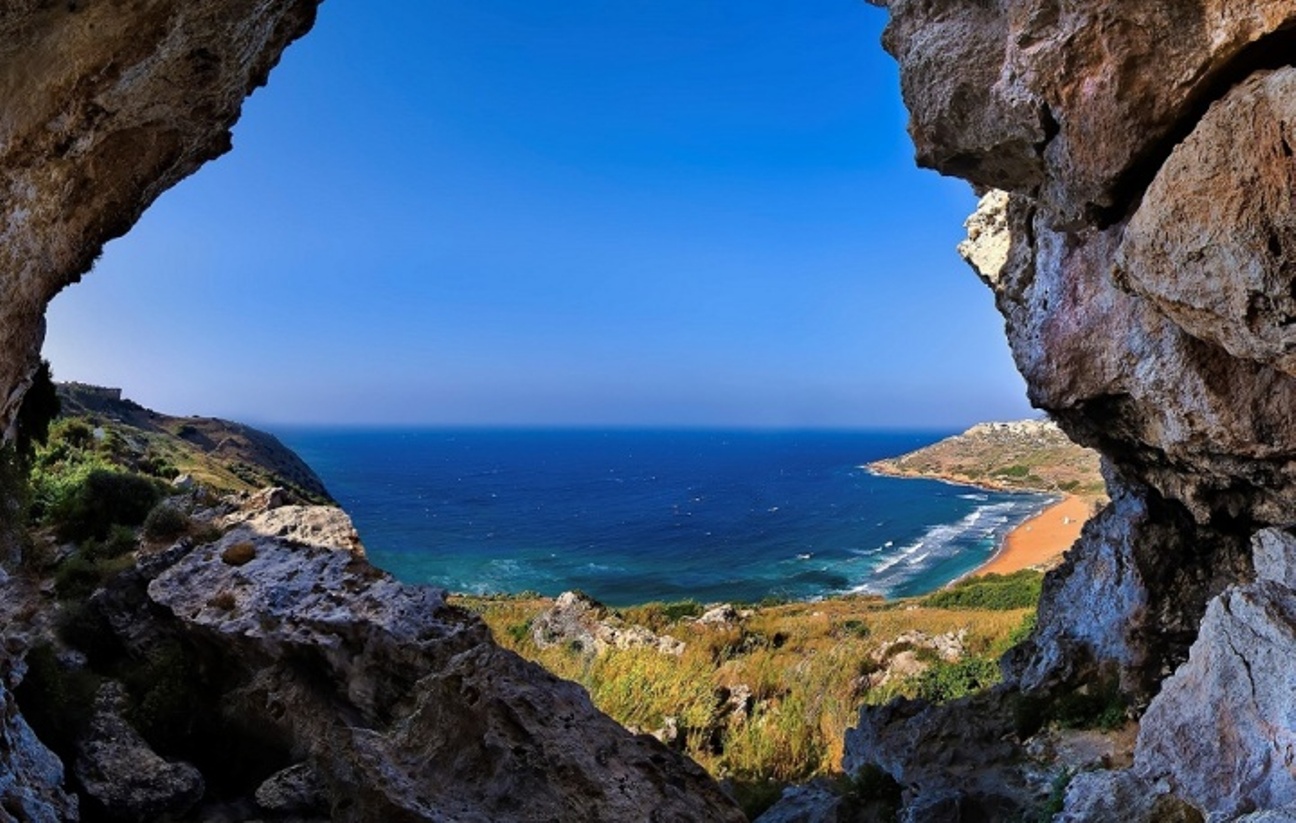
Calypso Cave, Gozo (credit: beseeingyou)
The Knights of Malta and the Great Siege of 1565
One of the most defining periods in Malta's history began in 1530, when Charles V of Spain granted the island to the Knights of the Order of St. John.
The Knights transformed Malta into a powerful fortress controlling the Mediterranean Sea.
Their most famous victory came during the Great Siege of 1565, when around 700 knights and local defenders repelled an Ottoman invasion force of nearly 40,000 soldiers.
This battle secured Malta's reputation as the "lock of the Mediterranean", a strategic stronghold protecting Europe from Ottoman expansion.
The legacy of the Knights is still visible today in the island's impressive fortifications, palaces and baroque architecture, especially in the capital Valletta, a UNESCO World Heritage city.
Malta Under British Rule and the World Wars
Malta's strategic importance continued into the modern era.
From 1800 to 1964, Malta was part of the British Empire, serving as one of the most important naval bases in the Mediterranean.
During the Napoleonic Wars and both World Wars, the island played a crucial role in controlling maritime routes and protecting Allied convoys. Because of its strategic resistance during World War II, Malta was awarded the George Cross, one of the highest civilian honors in the British Commonwealth.
Malta Today: A Mediterranean Economic and Logistics Hub
Today, Malta remains a key economic and logistics hub in the Mediterranean. As a member of the European Union, the country combines its historic maritime role with a modern, diversified economy.
Maritime Industry
Malta operates the largest ship registry in Europe, with more than 10,000 vessels registered in 2025. The maritime sector alone accounts for approximately 8.4% of Malta's gross domestic value added.
The Malta Freeport, one of the busiest transshipment hubs in the Mediterranean, connects major shipping routes between Europe, Africa and Asia.
The country is also investing in blue technology and sustainable maritime innovation as part of its long-term development strategy.
Tourism and Services
Tourism is another pillar of Malta's economy. Thanks to its central Mediterranean location, the archipelago is an ideal destination for cruise ships and international travelers.
In 2025, Valletta welcomed more than 350,000 cruise passengers in a single quarter, highlighting Malta's importance on Mediterranean cruise routes.
Visitors are drawn by Malta's historic cities, UNESCO heritage sites, Mediterranean beaches and cultural festivals.
In addition to tourism, Malta has developed strong sectors in:
• Financial services
• Information technology
• Online gaming
• Professional services
These industries benefit from Malta's political stability, EU membership and strategic geographic location.
Malta's Future: A Mediterranean Hub for Innovation
Looking ahead, Malta aims to strengthen its role as a Mediterranean hub for trade, technology and tourism.
Through initiatives such as Malta Vision 2050, the country plans to invest in:
• aviation and transport infrastructure
• maritime innovation and sustainability
• technology and digital industries
• international economic partnerships
Economic forecasts suggest GDP growth of around 3.8% in 2026, significantly above the projected EU average of 1.5%.
This continued growth demonstrates how Malta's geographic centrality remains a powerful advantage in the modern global economy.

Malta: A Small Archipelago with Global Influence
Despite its modest size, Malta has played an extraordinary role in shaping the history of the Mediterranean.
From Neolithic temples and Greek mythology to naval battles and modern maritime trade, the island has always been a strategic crossroads between continents and civilizations.
Today, Malta continues to combine history, culture, economic dynamism and Mediterranean beauty, making it not only a strategic hub but also one of the most fascinating destinations in Europe.