The origins of design in Malta: a Neolithic architectural revolution
Long before becoming a Mediterranean hotspot, Malta was home to some of the world's earliest designers. Around 5200 BC, Neolithic settlers transformed the islands into a pioneering center of architecture and artistic expression.
These early inhabitants built extraordinary megalithic temples, laying the foundations of Maltese heritage. Today, these structures are considered among the oldest free-standing monuments in the world, predating even the pyramids of Egypt.
The megalithic temples of Malta: UNESCO World Heritage masterpieces
The islands of Malta and Gozo are home to seven major temple sites, all listed as UNESCO World Heritage:
• Ggantija Temples
• Hagar Qim
• Mnajdra
• Skorba Temples
• Ta' Hagrat Temples
• Tarxien Temples
• Hal Saflieni Hypogeum
Each site reflects a unique stage in architectural evolution, yet all demonstrate remarkable technical skill and artistic sophistication despite limited tools and resources.
Advanced construction techniques in Neolithic Malta
Building these temples required extraordinary ingenuity. Massive limestone blocks - some weighing up to 50 tons - were transported and erected using only stone tools, wooden rollers, and collective labor.
Sites like Hagar Qim and Ggantija Temples (dating from 3600 to 2500 BC) feature:
• Trilithic entrances
• Carved stone altars
• Complex trefoil layouts
These innovations position Neolithic Malta as a key milestone in the history of architecture and design.
Astronomical alignments: a stone calendar in the Mediterranean
One of the most fascinating aspects of these Maltese temples is their precise astronomical alignment.
At Mnajdra, the temples are oriented to align with the sun during solstices and equinoxes. On specific days:
• Sunlight penetrates the inner chambers
• Rays illuminate altars with remarkable precision
• Seasonal cycles are marked through light and shadow
This system effectively functioned as a prehistoric calendar, reflecting a deep understanding of astronomy and the passage of time.
Megalithic art in Malta: symbolism, fertility, and cosmic cycles
Beyond their architectural brilliance, Malta's megalithic temples are adorned with rich decorative elements that reveal a sophisticated symbolic language.
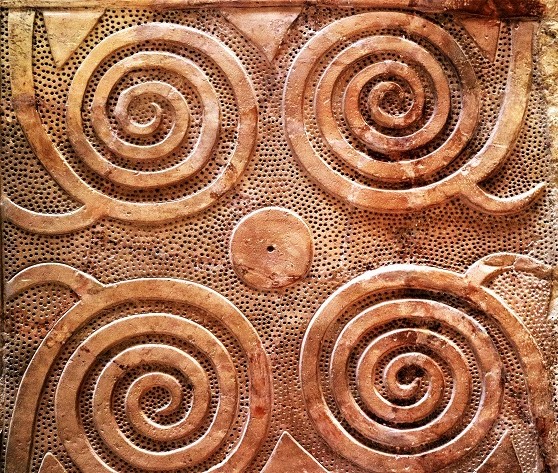
Spiral motifs: the signature of Neolithic design
Spiral carvings are among the most iconic features of Maltese megalithic art, particularly visible at Tarxien Temples and Ggantija Temples.
These bas-relief spirals:
• Evoke movement and rhythm
• Symbolize cosmic or life cycles
• May have been used in ritual or trance-like practices
Often enhanced with red ochre, they create a hypnotic visual effect that still fascinates archaeologists today.
Geometric patterns: punctured dots and rhythmic compositions
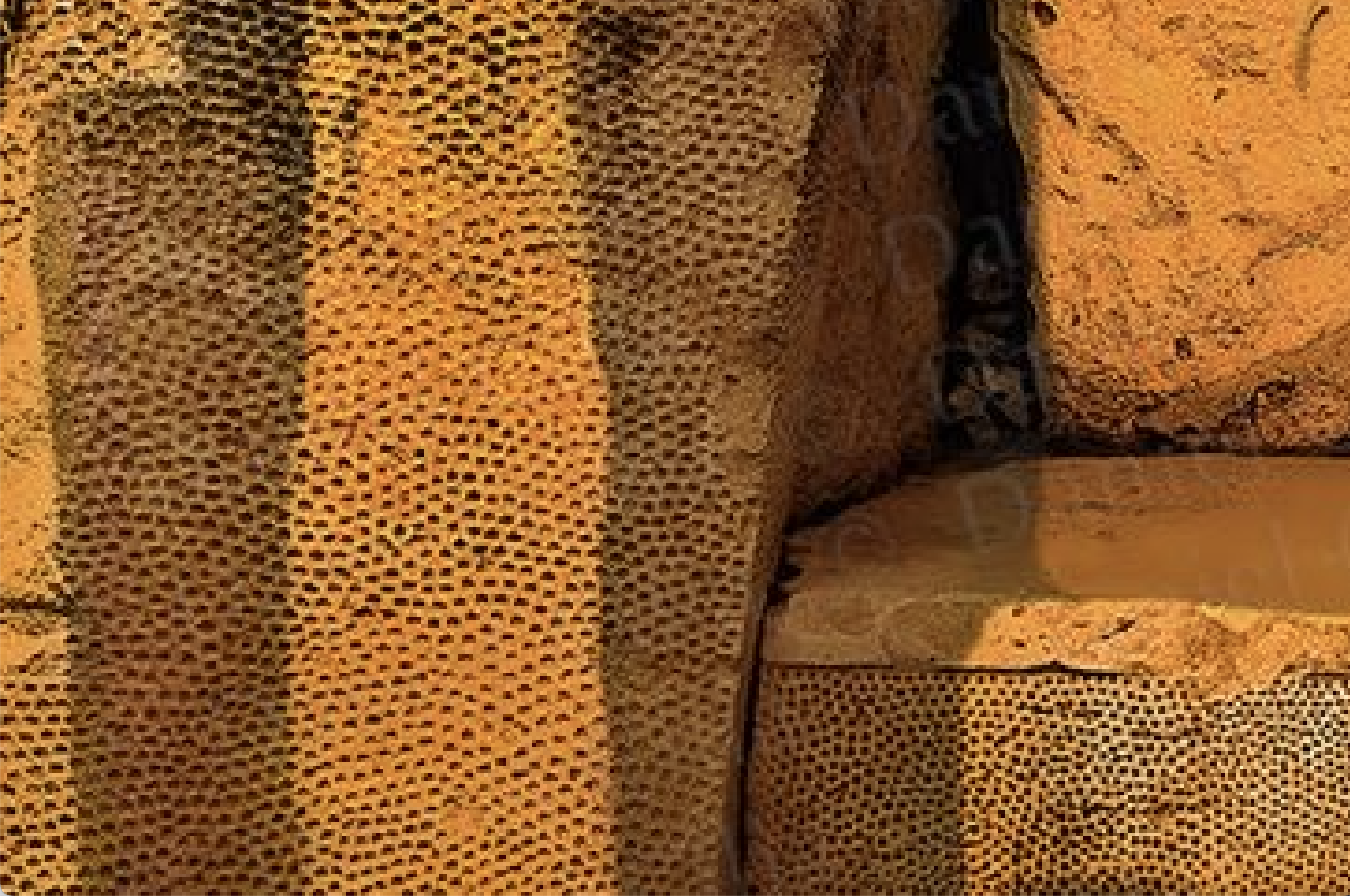
Interior walls frequently feature panels decorated with:
• Pierced holes
• Engraved dots
• Repetitive geometric patterns
These early graphic expressions evolved over time into more complex decorative compositions, showcasing the progression of Neolithic artistic techniques.
Animal representations: ritual and symbolism
The temples also include detailed bas-reliefs of animals such as:
• Bulls
• Goats
• Pigs
• Snakes
• Fish
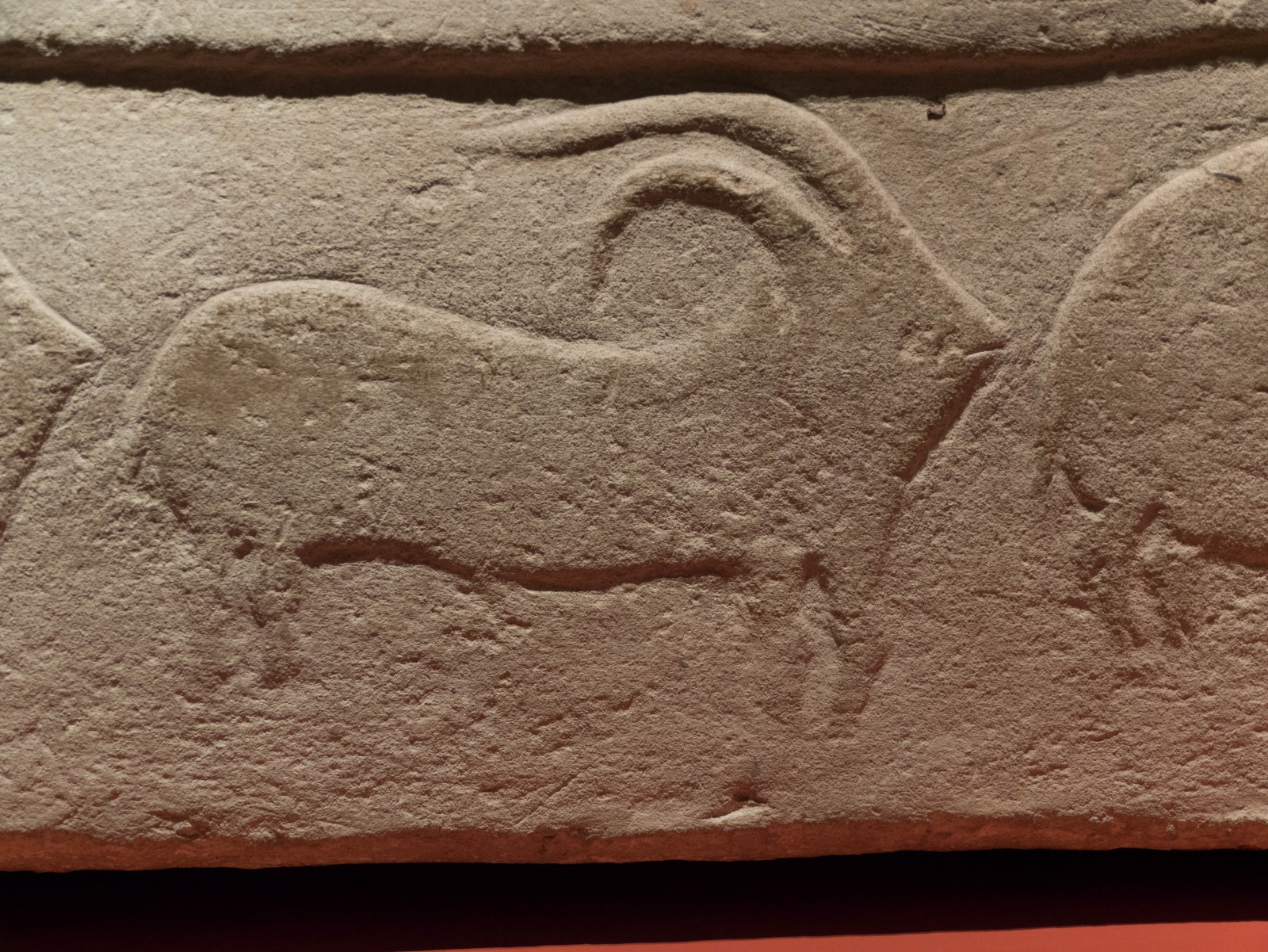
At Tarxien Temples, a remarkable frieze depicts a procession of goats, while Mnajdra features engravings of rams and goats. These depictions likely played a role in ritual or sacrificial practices.
Sculptures and the "Mother Goddess"
Among the most striking discoveries are the figurative sculptures representing
a "Mother Goddess," symbolizing fertility and abundance.
These include:
• Statuettes with pleated skirts
• Monumental stone figures
• Sacred altars and betyls
Often decorated with ochre pigments, these works highlight the spiritual dimension of Neolithic Maltese society.
The legacy of Malta's first designers
The Neolithic builders of Malta laid the groundwork for thousands of years of artistic and architectural development, influencing later civilizations from the Phoenicians to the Baroque period.
Today, these temples:
• Define Malta's cultural identity
• Attract heritage tourism from around the world
• Bridge prehistoric innovation with modern design sensibilities
Their recognition by UNESCO World Heritage underscores their global importance.
Why the megalithic temples of Malta still matter today
The temples are more than archaeological sites — they are a testament to human creativity, resilience, and the desire to understand the world.
They remind us that:
• Design has always been linked to function and meaning
• Art and architecture can reflect cosmic and natural cycles
• Even the earliest societies sought to create beauty and order
photo: Brian Grech
Malta, cradle of early design and architecture
From monumental construction to symbolic art, Malta's Neolithic temples represent one of the earliest expressions of design in human history.
Exploring sites like gantija Temples or Mnajdra is not just a journey into the past: it is an immersion into the origins of creativity itself.
And you, are you ready to discover Malta through the eyes of its very first designers?
cover photo: Daniel Cilia