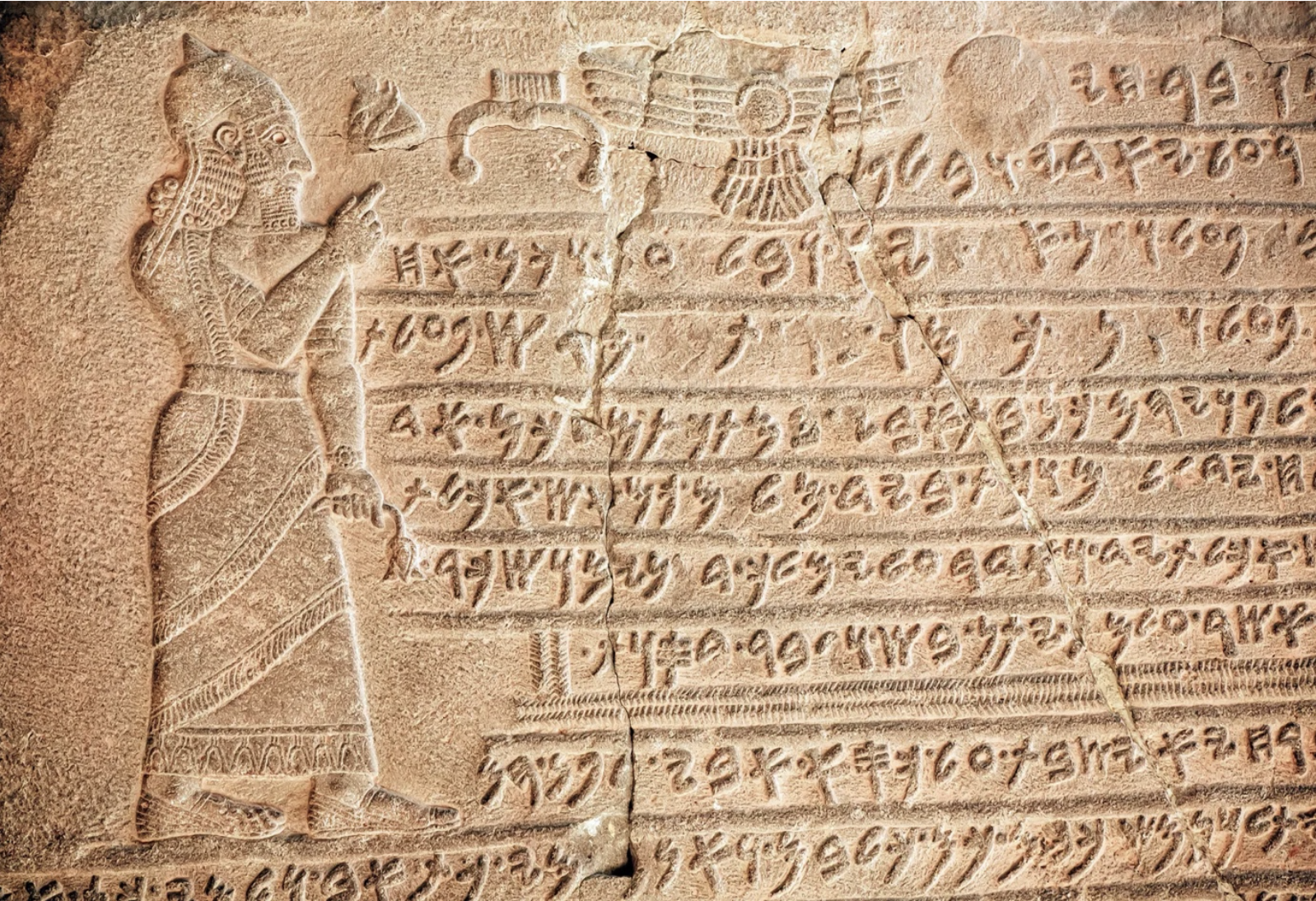
Olive trees are among the most enduring symbols of the Mediterranean landscape, and in Malta, they represent centuries of agricultural tradition, cultural heritage and resilience. Across the Maltese archipelago, ancient olive groves tell the story of a long history of olive cultivation, oil production, decline and revival.
From the Phoenician and Roman eras to modern preservation initiatives, olive growing in Malta has shaped the island’s rural identity. Today, despite climatic challenges and limited production volumes, Malta produces high-quality extra virgin olive oil, renowned for its distinctive Mediterranean character.
Understanding the history of olive trees in Malta reveals a fascinating story that connects ancient civilizations, local traditions and contemporary agricultural innovation.
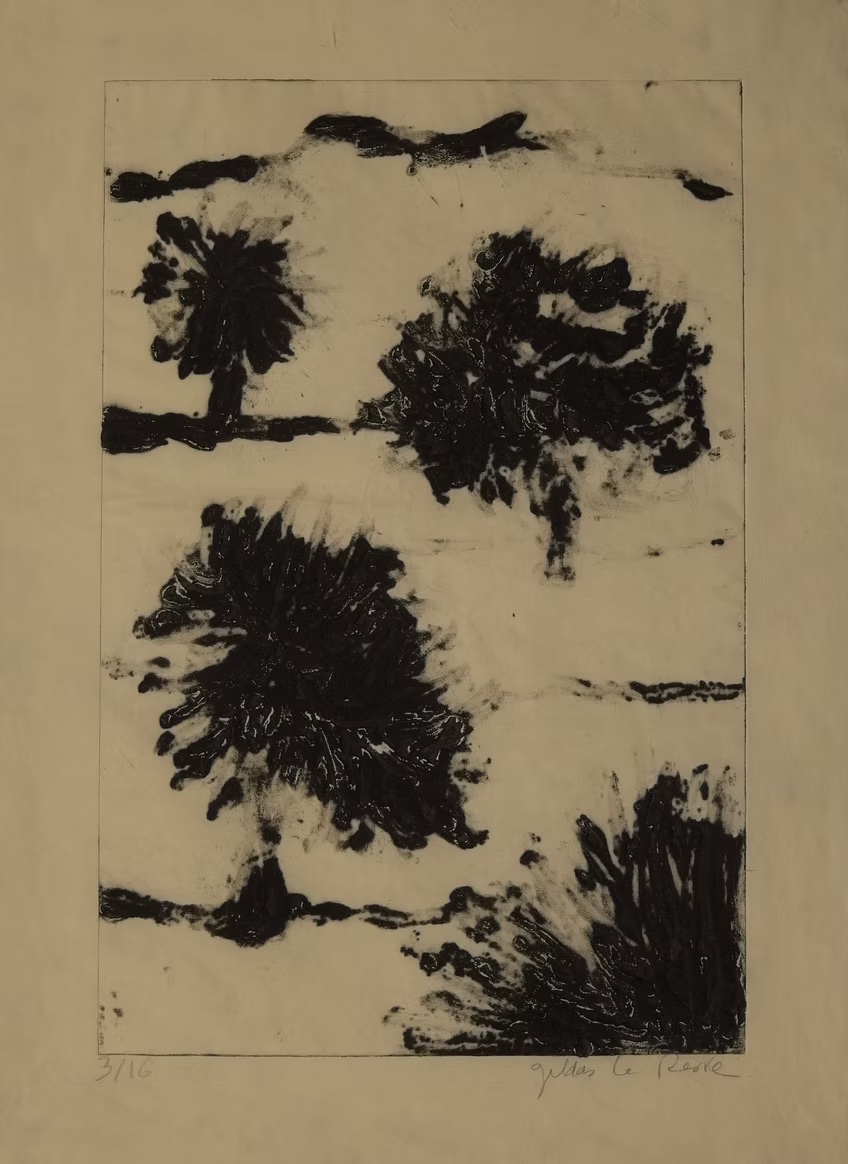
Field of olive trees. Carborundum engraving by Gildas Le Reste.
The Snop House Collection
The Ancient Origins of Olive Growing in Malta
The history of olive cultivation in Malta dates back more than 2,500 years. The Phoenicians are believed to have introduced olive trees to the island around the 9th century BC, establishing some oft he earliest agricultural systems in the archipelago.
However, it was during the Roman period that olive production flourished. Historical accounts from Pliny the Elder mention extensive olive groves across the island, describing landscapes shaded by miles of olive trees. Archaeological discoveries further confirm this history. At San Pawl Milqi, an important Roman villa complex, researchers uncovered ancient olive presses used for oil production. These remains demonstrate that Malta once had a thriving olive oil industry integrated into Mediterranean trade networks.
Arabic Influence and Agricultural Transformation
In the 9th century, the arrival of Arab rulers transformed Malta’s agricultural landscape. Many olive plantations were removed to make way for crops such as cotton and citrus fruits, which were more suited to the economic priorities of the time. Despite this decline, the legacy of olive cultivation remained deeply rooted in Maltese culture and language.
Place Names That Preserve Olive Heritage
The importance of olive trees in Maltese history is reflected inthe island’s place names. The Maltese word “żebbuġ”, meaning olives or olive trees, survives in the name of villages such as Żebbuġ in Malta and Żebbuġ in Gozo. These names recall the abundance of olive groves that once covered the rocky terrain of the islands.
Another example is Għasri, a name derived from the word for olive press, highlighting the importance of oil production in local communities.
These toponyms offer a linguistic reminder of Malta’s historic connection to olive cultivation.
The Knights of Malta and the Revival of Olive Produtcion
Olive cultivation experienced a revival in the 16th century, during the rule of the Knights of the Order of St John. Under the Knights, olive oil regained economic importance. It was used for:
- medicinal purposes
- cooking and food preservation
- commercial trade across the Mediterranean
Historical records indicate that Maltese olive oil was exported to Spain, while specific olive varieties such as Bidni olives were even sent as gifts to the kings of France.
However, the expansion of cotton cultivation — driven by Spanish demand —led to the destruction of approximately 80,000 olive trees toward the end of the century.
Decline, Climate Challenges and Modern Revival
During the modern era, olive cultivation in Malta faced several challenges, including:
- urban development
- changes in agricultural practices
- climate-related stress such as drought and strong winds
In recent years, extreme weather conditions have significantly affected produtcion. The 2024 olive harvest in Malta dropped dramatically due to heat waves, drought and strong winds.
Despite these difficulties, several initiatives aim to protect and revive the island's olive heritage.
The BIDNI Project, for example, focuses on preserving and propagating the Bidni olive, a rare native Maltese variety known for its exceptional resilience. Through nurseries and grafting techniques, researchers and farmers are working to ensure the survival of this historic cultivar.
Additional programs supported by European funds and environmental initiatives such as Project Green promote replanting olive trees and restoring traditional dry stone walls, which help prevent soil erosion in rural landscapes.
Maltese Olive oil Today
Today, Malta produces small but highly distinctive quantities of extra virgin olive oil.
The island’s main local olive varieties include:
- Bidnija (Bidni) – an ancien Maltese olive known for its strong aromas and resilience
- Maltija – another traditional variety adapted to the local climate
These olives produce oils with:
- low acidity
- highlevels of polyphenols
- balanced fruity flavors
- subtle bitterness typicalof Mediterranean oils
The Bidni olive is particularly valued for its intense aroma and adaptability to Malta’s dry and saline climate. Harvest typically takes place at the end of October, producing oils sought after by gourmet producers.
Producers and cooperatives are currently seeking Protected Designation of Origin (PDO) status to highlight the unique characteristics of Maltese olive oil.
Olive Oil Production in Malta: Recent Figures
Although olive oil production remains modest compared to larger Mediterranean producers, the sector has experienced notable fluctuations in recent years. Recent olive harvest data shows the impact of climate conditions on production levels
- 2O22: 741 tons of olives, producing 96 tons of oil
- 2023: record harvest of 868 tons of olives, producing 121 tons of oil
- 2024: 227 tons of olives, producing 37 tons of oil (48% below the four-year average)
The Olive Growers Cooperative, which includes 128 members managing more than 8,000 olive trees, collects partial data from approximately 800 registered olive producers across Malta and Gozo.
Key Maltese Olive Oil Producers
Several family-run farms and artisanal producers contribute to the revival of Maltese extra virgin olive oil.
Among the notable producers are:
Ramla Valley – Gozo
A family-run olive farm k nown for its high-quality oils produced through sustainable agriculture.
Immanuel Grima – Bidnija, Malta
A grove dedicatted to the endemic Bidni olive variety, supplying premium organic oil to high-end restaurants.
Olio – Dingli, Malta
An artisanal olive oil producer focusing on traditional methods and small-scale production.
Olive Growers Cooperative Ltd
A cooperative representing more than 128 producers and supporting the development of Malta’s olive oil sector.
Maltese Olive oil and Local Gastronomy
Olive oil plays an essential role in Maltese cuisine where it enhances many traditional dishes.
At The Snop House, breakfast offers guests the opportunity to discover autthenic Maltese flavors. Local products from Gozo are highligthed, including:
- ġbejna, the traditional Maltese sheep’s cheese
- extra virgin olive oil from Gozo
- Gozo sea salt
- Maltese bread (Ħob biżż-Żejt)
This combination perfectly reflects the island’s culinary heritage, where local agriculture, Mediterranean ingredients and centuries-old traditions come together.
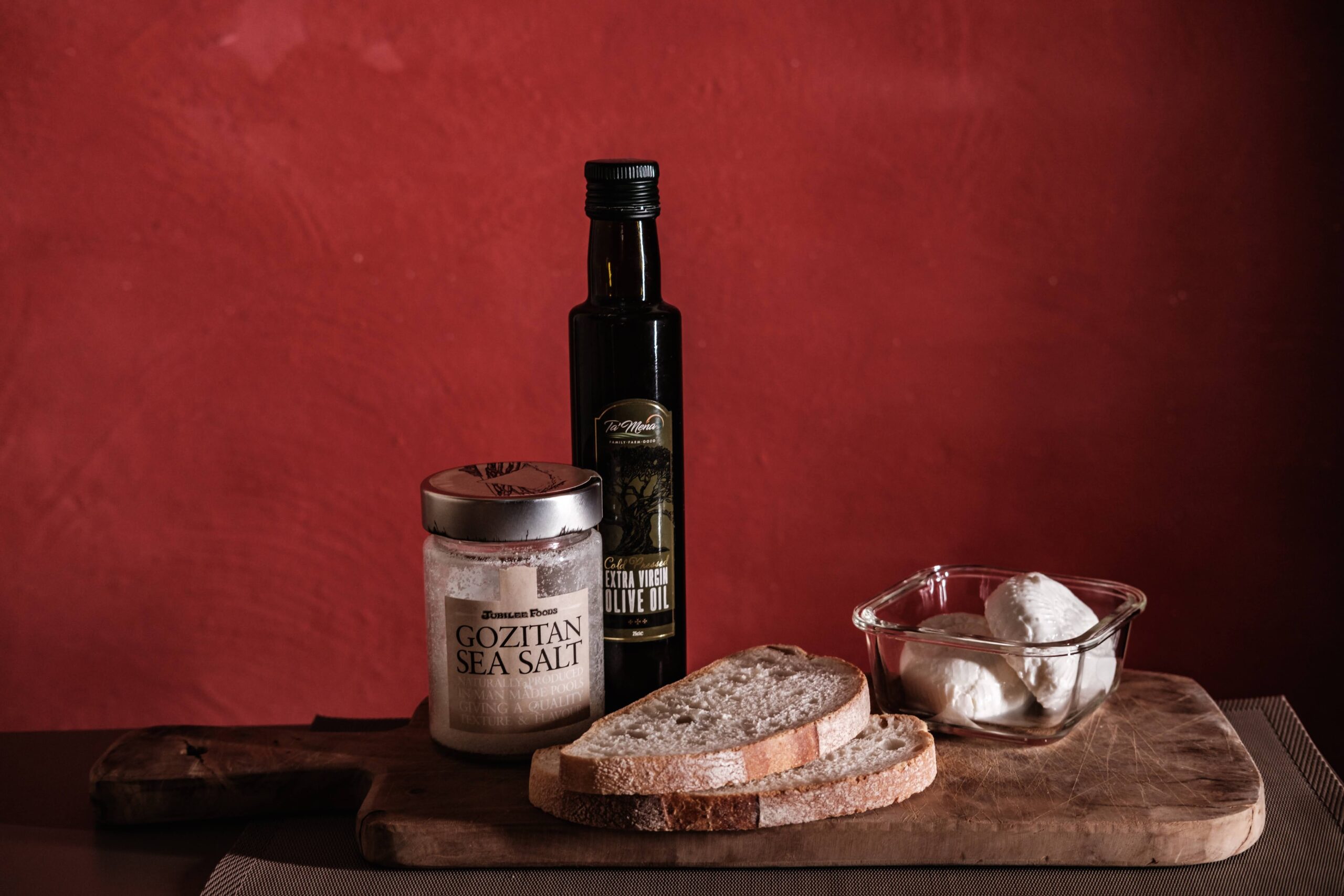
Breakfast at the Snop House (photo: Brian Grech)
Olive Trees: A Living Heritage of Malta
Today, olive trees remain an essential part of Malta’s rural landscape and cultural identity. Their twisted trunks and silver leaves tell a story that stretches from ancient civilizations to modern sustainability initiatives.
While production volumes remain limited, the revival of traditional varieties such as Bidni and the dedication of local producers ensure Malta’s olive-growing heritage continues to thrive.
For visitors exploring the archipelago, discovering the story of olive trees in Malta offers a deeper understanding of the island’s relationship with the Mediterranean land and its enduring agricultural traditions.