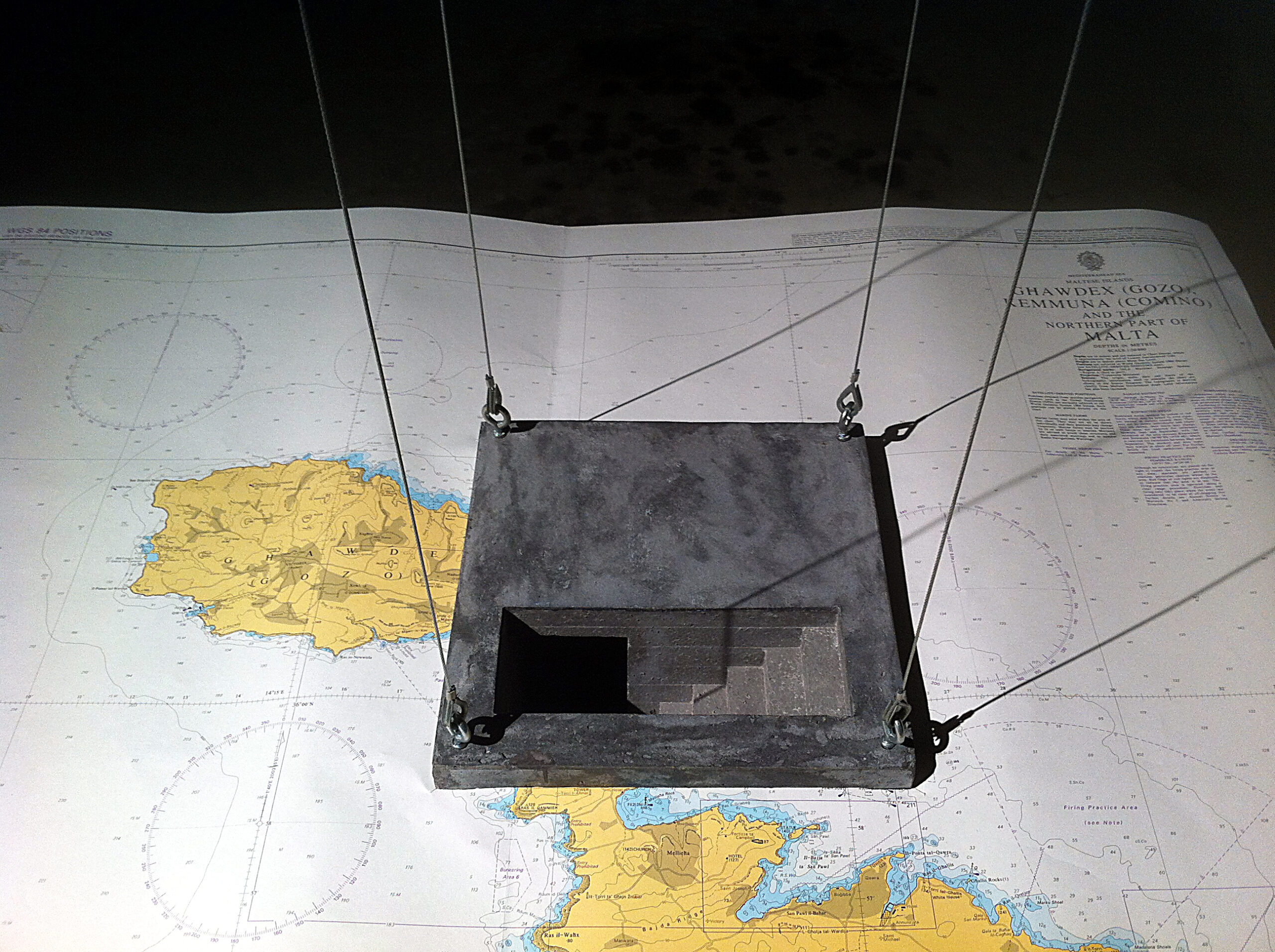
When Malta Speaks Through Sound
In Malta, sound is memory. Among the most powerful and enduring of these sounds are church bells, whose echoes shape the rhythm of daily life across the archipelago. From early morning chimes to festive peals filling entire villages, bells are far more than instruments: they are voices of faith, community, and history.
This guide explores the meaning, uses, and cultural importance of bells in Malta, revealing how they form a unique sonic heritage at the crossroads of religion, tradition, and collective memory.
Bells as Timekeepers in Maltese Daily Life
Throughout Malta and Gozo, bells ring hourly and quarterly, often through automated carillon systems installed in parish bell towers. Long before watches and smartphones, these sounds structured workdays, prayers, and gatherings. Even today, the regular chimes of Maltese church bells remain a familiar landmark for residents and visitors, anchoring time within a shared acoustic space.
Liturgical Bells and the Language of Faith
During religious services, bells accompany the most solemn moments of Catholic worship. Their ringing varies according to:
- rhythm
- number of strokes
- duration
- manual or full-swing movement
These variations allow listeners to immediately identify whether a Mass, baptism, wedding, or funeral is taking place.
In Maltese culture, bells act as mediators between the sacred and the secular, calling the faithful to prayer while remaining audible to the entire community.
Festas: When Bells Celebrate the Patron Saints
No sound better captures the Maltese spirit than the bells of a parish festa. Dedicated to a town’s patron saint, these celebrations transform villages into living theaters of sound.
For days on end, bells ring joyfully and relentlessly, accompanying:
- religious processions
- fireworks displays
- street celebrations
- communal prayers
The intense use of bells during festas reinforces their role as symbols of joy, pride, and collective identity.
Bells of Mourning and Warning
Bells also express sorrow and vigilance. The death knell, known locally as Il-Glas, consists of slow, measured tolls announcing a passing or a funeral.
Historically, the tocsin served as an alarm bell, warning inhabitants of fires, attacks, or emergencies. These sounds remind us that bells once played a crucial role in community survival and cohesion.
Iconic Bells of the Maltese Archipelago
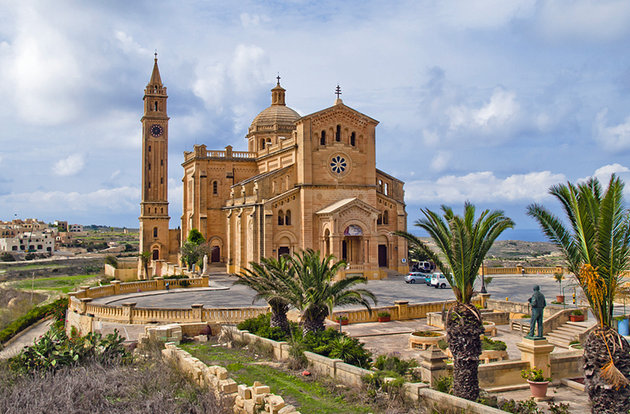
Ta Pinu Basilica, Gozo
Ta’ Pinu Basilica (Gozo)
Malta’s national shrine, Ta’ Pinu Basilica, is home to a powerful bell whose sound dominates the surrounding countryside. It plays a central role during pilgrimages, especially on September 8, reinforcing the basilica’s spiritual authority.
St John’s Co-Cathedral, Valletta
The three bells of St John’s Co-Cathedral are deeply tied to the legacy of the Knights of St John. Beyond marking liturgical time, they contribute to a unique carillon system linked to a historic clock featuring:
- a single-hand time dial
- a date indicator
- a day-of-the-week dial
These bells embody the continuity of religious, political, and architectural history in Valletta.
The Siege Bell War Memorial
Overlooking the Grand Harbour, the Siege Bell War Memorial rings daily at noon in remembrance of the 7 ,000 victims of the Siege of Malta (1940–1943). Weighing nearly ten tons, this bell transforms sound into collective remembrance, bridging sacred ritual and national memory.
Basilica of the Nativity of Mary, Senglea
In Senglea, the bells of the Basilica of the Nativity of Mary accompany the veneration of Maria Bambina, particularly during the annual September 8 procession. They symbolize both faith and resilience, following the heavy destruction endured during World War II.
Bells, the Sea and Symbolic Names
Some Maltese bells bear poetic names such as “Stella Maris” (Star of the Sea), reflecting Malta’s maritime soul. These names highlight the intimate connection between Catholic devotion, navigation, and island life.
Understanding the Sonic Language of Maltese Bells
The Maltese bell language relies on:
- pitch and tonal identity
- number of bells involved
- rhythmic patterns
- sequential or simultaneous ringing
For centuries, inhabitants instinctively interpreted these signals, which structured prayer, celebration, mourning, and vigilance.
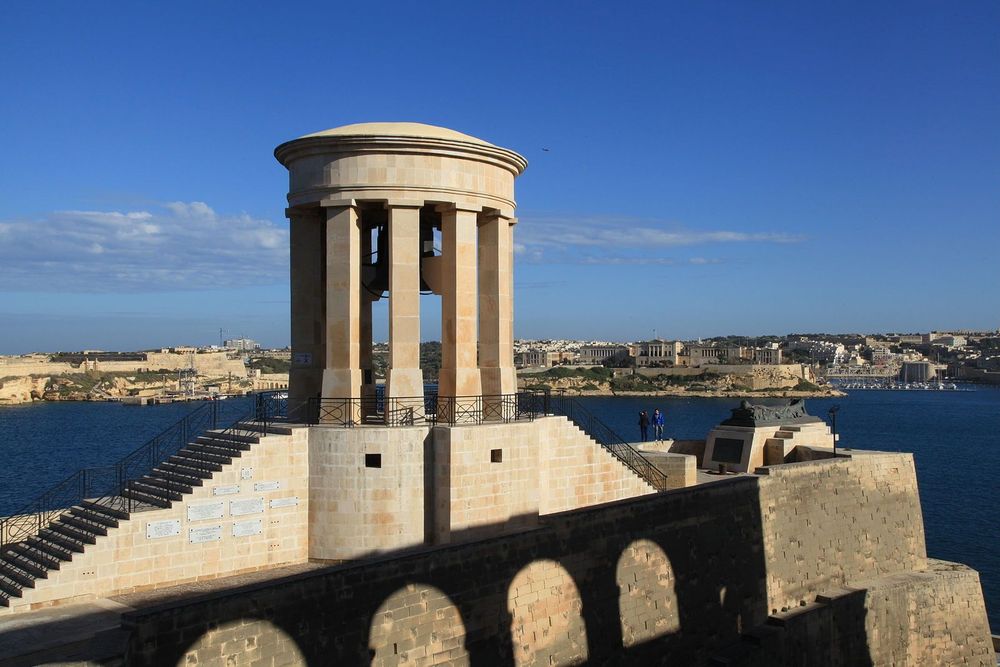
The Siege Bell War Memorial
Traditional Maltese Bell Terminology
- Il-Carillun: automated carillon marking hours and quarters
- Il-Glas: death knell
- Il-Kampana ta’ l-Avveniment: bell for sacraments and liturgical events
- Il-Kampana tal-Festa: sustained festive peal
- Il-Tocsin: traditional alarm bell
This vocabulary reflects the richness of Malta’s intangible cultural heritage, where sound remains a living archive.
FAQ
What do church bells in Malta mean?
They indicate time, religious ceremonies, celebrations, mourning, or emergencies, each through specific ringing patterns.
Where can you hear historic bells in Malta?
Notable locations include St John’s Co-Cathedral in Valletta, Ta’ Pinu Basilica in Gozo, Senglea, and the Siege Bell War Memorial.
FAQ
Why are bells important during Maltese festas?
They symbolize joy, devotion to the patron saint, and communal pride, accompanying festivities for several days.
Do Maltese bells still ring manually?
Yes. While many are automated, bells are still manually rung for festas and special liturgical events.