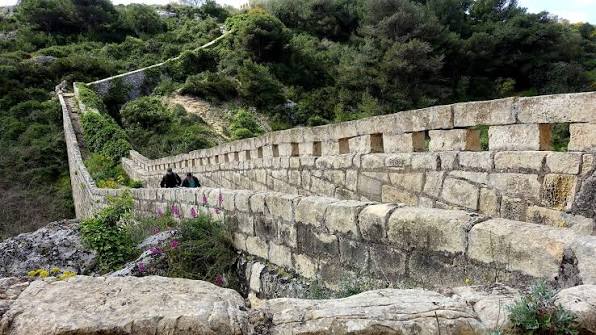
Malta may be famous for its limestone cities and Mediterranean light, but it has also become a major filming destination since the 1960s. With more than 300 productions shot on the archipelago, the island has hosted everything from ancient epics to modern thrillers. Titles like Gladiator, Troy, Captain Phillips, and Game of Thrones helped cement Malta’s reputation as a natural backlot—fortresses, harbours, coves, and sun-drenched streets ready for the camera.
Yet beyond the recognizable locations lies Malta’s lesser-known cinematic core: Malta Film Studios in Kalkara, where huge indoor stages, sea-fed water tanks, and off-limits prop warehouses keep the island’s most legendary film secrets hidden in plain sight.
Malta Film Studios (Kalkara): The Engine Behind Malta’s Film Industry
Malta Film Studios began its story in 1964, in Kalkara, facing the Grand Harbour on a site spanning 12 hectares. The complex reached a high point in the 1970s and 1980s, notably with productions such as Popeye (1980) directed by Robert Altman, partly shot on the islands and starring Robin Williams.
After a period of decline, the studios were revitalized in 2017 by Qatari investors and transformed into a modern production hub featuring 11 sound stages, post-production spaces, workshops, and large-scale water facilities designed for high-demand shoots.
Today, the studios draw major international players—Paramount, Disney, and Netflix—thanks to one unbeatable advantage: Malta’s range of cinematic settings at close distance. Medieval fortifications for historical narratives, turquoise coves for open-sea illusion, and a consistent Mediterranean brightness that cinematographers love.
There is one catch: the studios are closed to the public. No walk-in visits, no casual exploration—production comes first, leaving film lovers searching for an immersive experience just outside the gates.
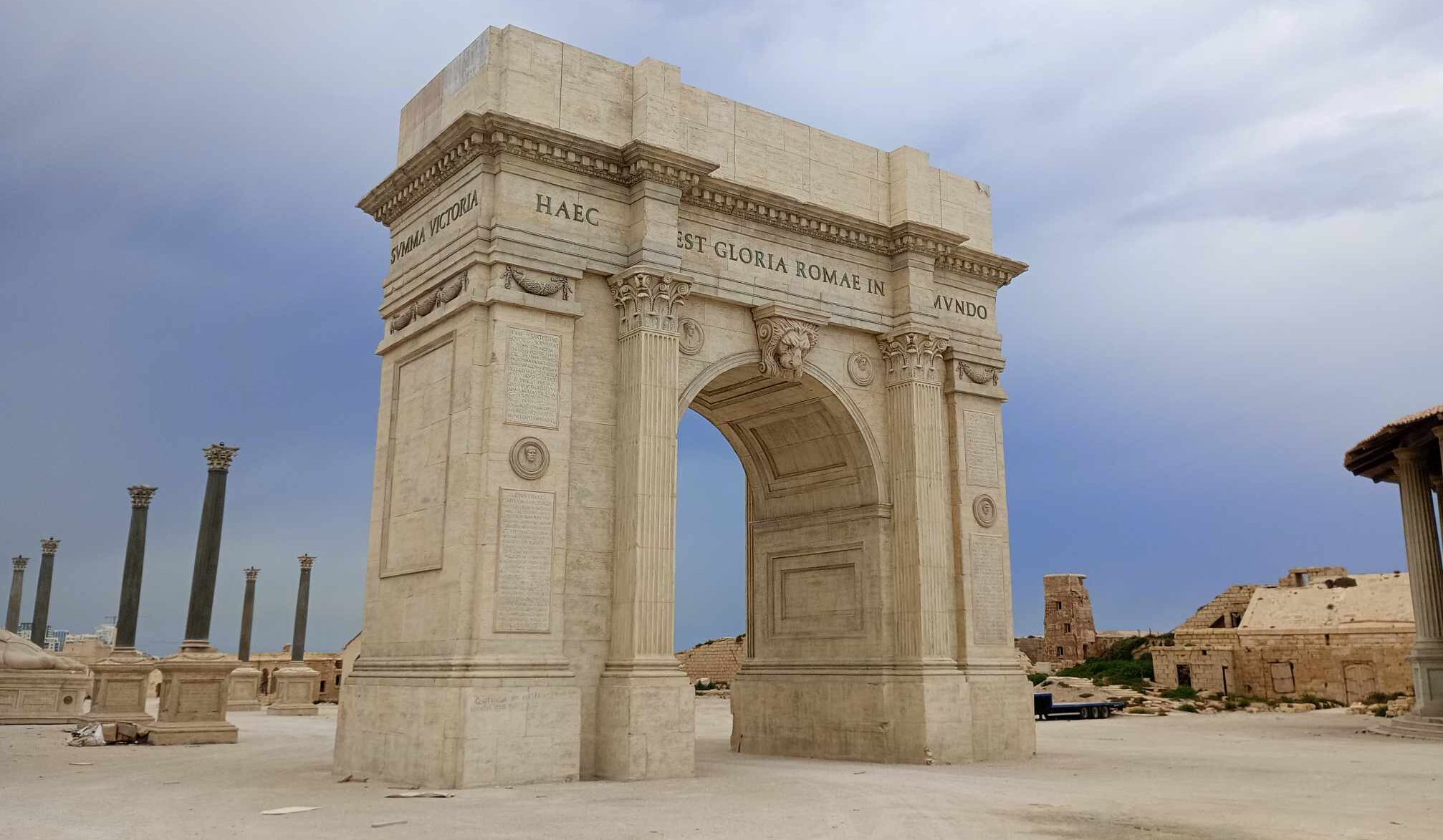
The Hidden Treasure: Prop Warehouses Filled with Iconic Film Sets
Even more mysterious than the stages are the prop storage warehouses—vast hangars where major set pieces and production relics are kept under controlled conditions, ready for possible reuse or rental.
These warehouses are said to house objects connected to famous productions: architectural elements reminiscent of ancient worlds, miniature ships built for naval sequences, and symbolic artefacts linked to blockbuster franchises. The scale is immense—thousands of cubic meters of cinematic memory—yet entirely out of reach.
Why the secrecy? A mix of security constraints, intellectual property protections, and a production schedule that leaves no room for tourism. Rumours sometimes mention a future museum, but nothing official has emerged. For now, the warehouses embody a Maltese paradox: an island built on hospitality that fiercely guards its greatest screen treasures.
Kalkara’s Sea-Level Water Tanks: Malta’s Secret Weapon for Nautical Scenes
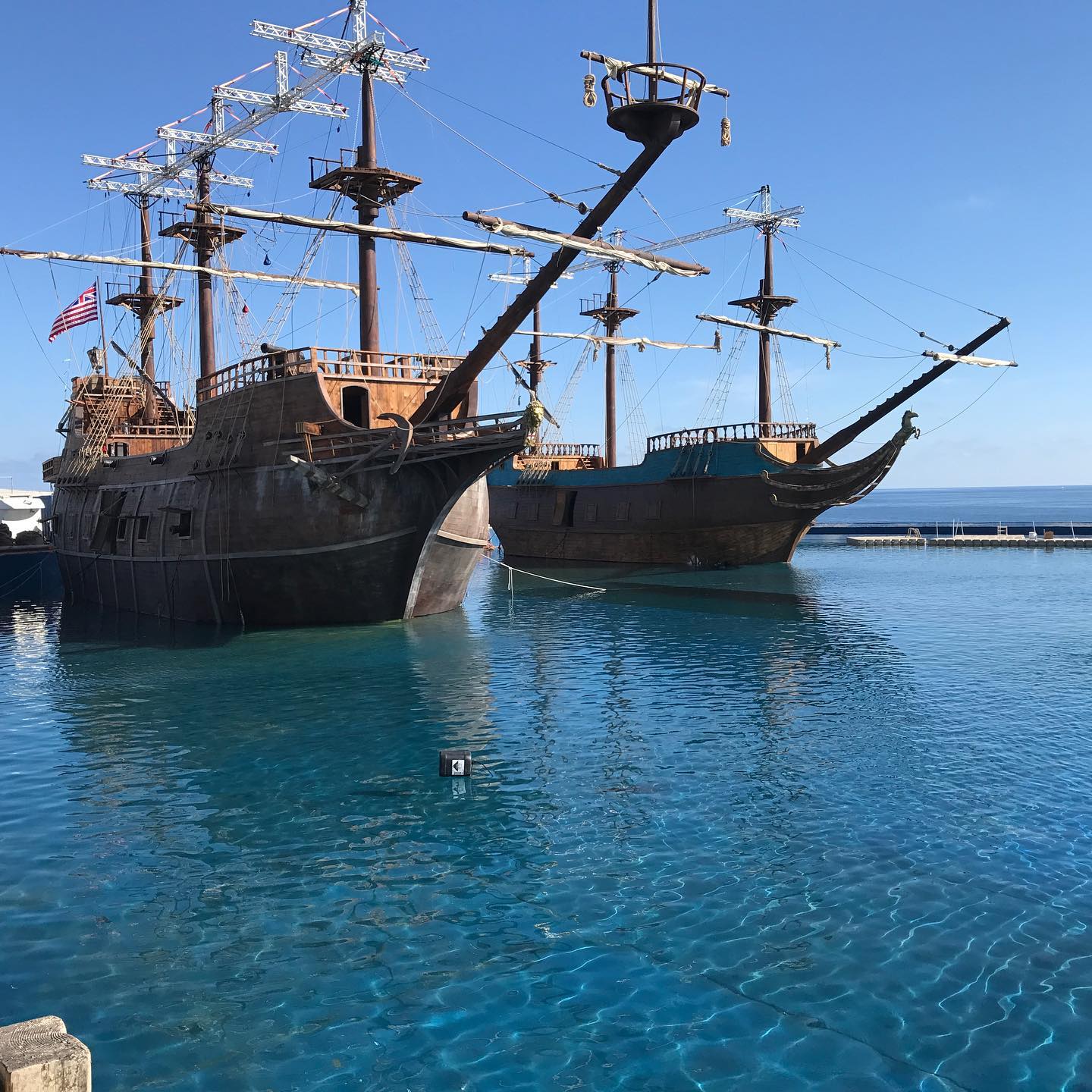
If Malta Film Studios has a crown jewel, it’s the sea-level water facilities in Kalkara. Overlooking the coast, the studios feature water tanks fed directly from the sea, built to make maritime filming possible without leaving the lot.
The flagship installation includes a main tank 270 meters long, enabling productions to stage large-scale sequences with controlled conditions: waves, storms, ship setups, and underwater action—filmed safely and efficiently, day or night.
This “at water level” configuration delivers realism that’s hard to replicate inland. It’s one reason films like Captain Phillips (2013) could recreate complex open-sea tension with convincing detail, and why action-driven productions such as 13 Hours could stage aquatic effects under controlled supervision.
In short, Kalkara helps explain why Malta is often described as the “Hollywood of the Mediterranean”: big-budget capability paired with authentic island atmosphere just beyond the frame.
Film Tourism in Malta: Should the Studios Open Their Doors?
With Malta’s cultural tourism thriving—Valletta, the Three Cities, Mdina, Gozo—the question keeps resurfacing: should Malta develop more official, controlled access to its studio heritage?
Filming-location tours already exist across the islands, but studio access would create a rare kind of attraction: a behind-the-scenes encounter with the infrastructure that makes Malta’s cinema reputation possible. For now, the closest experience remains indirect—spotting the studio coastline and water facilities from afar, for example during a ferry ride between Valletta and the Three Cities.
Malta continues to shine on screen, but some of its most fascinating film experiences remain stubbornly off-screen—locked inside warehouses and behind studio gates in Kalkara.
FAQ: Malta Film Studios and Kalkara
Where are Malta Film Studios located?
Malta Film Studios are located in Kalkara, overlooking the Grand Harbour.
Can you visit Malta Film Studios?
The studios generally operate in closed mode, prioritizing production. Public access is not available.
What are the Kalkara water tanks used for?
They are designed for filming maritime and water-based scenes, using sea-fed, sea-level pools, including a tank 270 meters long.
Why are the prop warehouses inaccessible?
Access is restricted due to security, intellectual property, and the demands of an active production schedule.