Travelers increasingly look for an authentic hotel experience—the kind that feels rooted in a place, not replicated everywhere. In hospitality, that authenticity often depends on one factor that’s easy to overlook: local staff.
When the people welcoming you know the destination’s history, customs, language rhythms, and everyday life, a stay becomes more than comfortable—it becomes memorable.
In Malta, a country built on layered civilizations and storytelling, the difference can be striking.
When Hotels Feel Efficient but Impersonal
Many tourist accommodations deliver flawless service—check-in, housekeeping, breakfast, concierge—yet still feel oddly distant. This usually happens when hospitality becomes fully standardized: the same scripts, the same recommendations, the same interaction patterns, regardless of where you are.
Seasonal recruitment and high turnover can amplify this effect. Staff may be professional and hardworking, but without a deep connection to the destination, conversations tend to stay generic. Guests leave with a pleasant stay, but few vivid stories.

Europe’s Hospitality Labor Crunch: The Context Behind the Shift
Malta isn’t alone. Across Europe, hotels and restaurants face skills and labor shortages, driven by demanding hours, retention challenges, competition from other sectors, and changing expectations after the pandemic. Employers often fill gaps through international recruitment, which keeps operations running but can unintentionally weaken the sense of local cultural connection guests are searching for.
Malta’s Reality: A Workforce Increasingly International
In Malta, workforce growth in recent years has relied heavily on expatriate labor, and official labor-market tracking shows a large share of foreign employment is made up of third-country nationals (TCNs). In parallel, Malta introduced sector-specific measures for tourism and hospitality—such as training requirements and skills cards for new TCN entrants—highlighting how central international recruitment has become to keeping the industry staffed.
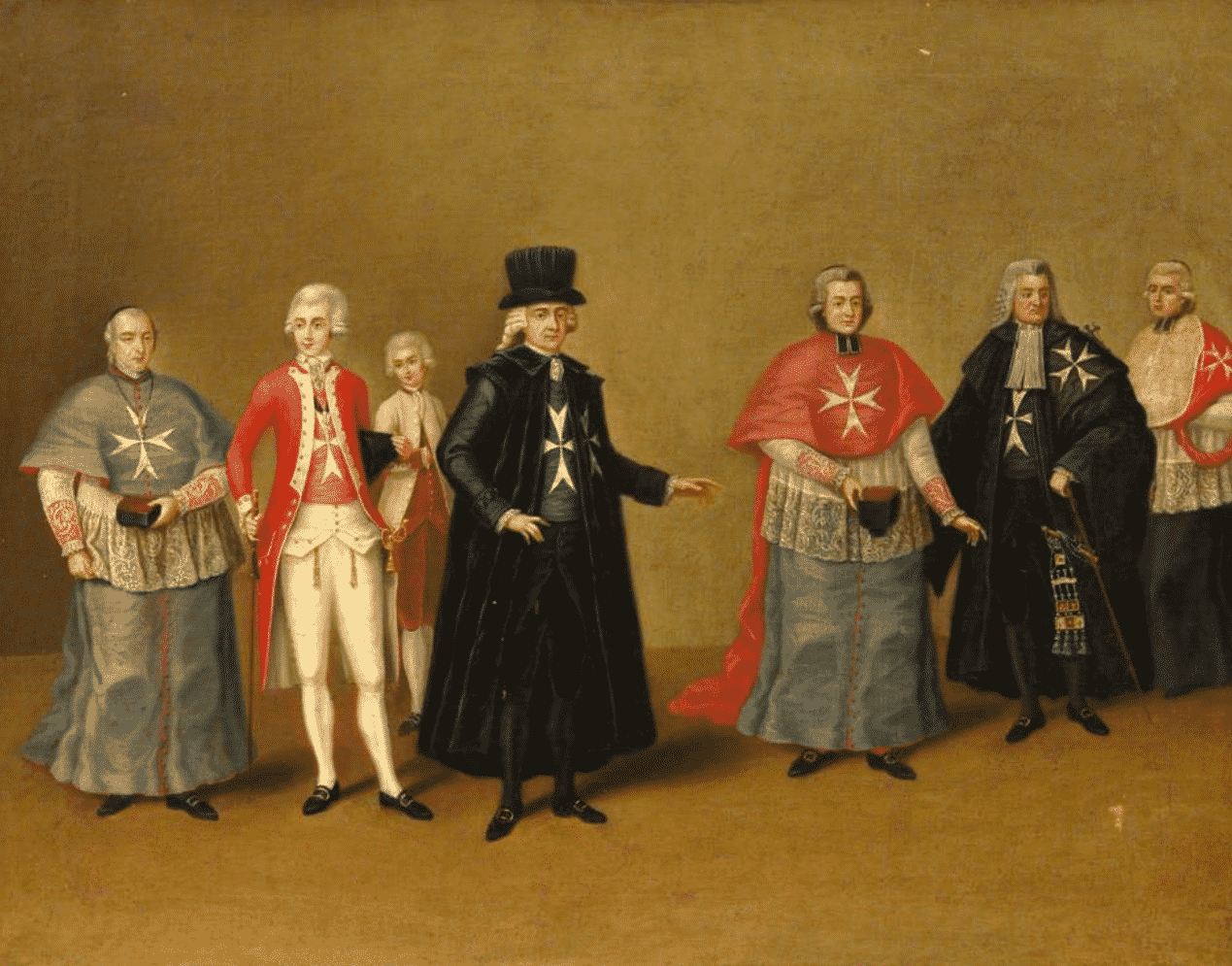
None of this reflects on professionalism—many international hospitality workers deliver outstanding service. But for travelers who came to Malta for its Knights of St. John, its wartime history, its village rituals, and its food culture, a fully “imported” front-of-house experience can create a subtle disconnect.
What Travelers Miss When Local Knowledge Isn’t in the Room
Tourists seeking authenticity often want small, specific things:
-
-
- A quick story about Valletta’s wartime scars or the Three Cities’ role in Malta’s defenses
- A real tip on where to eat pastizzi like locals do (and when to go)
- A recommendation that isn’t “the top-rated place on Google,” but the spot someone’s family actually loves
- The kind of detail you only get from people who’ve lived the culture, not only learned it
-
When those exchanges don’t happen, the stay can feel like a bubble—comfortable, polished, and oddly detached from the destination outside the door.
The Hotels That Get It Right: Keeping Malta’s Local Spirit Alive
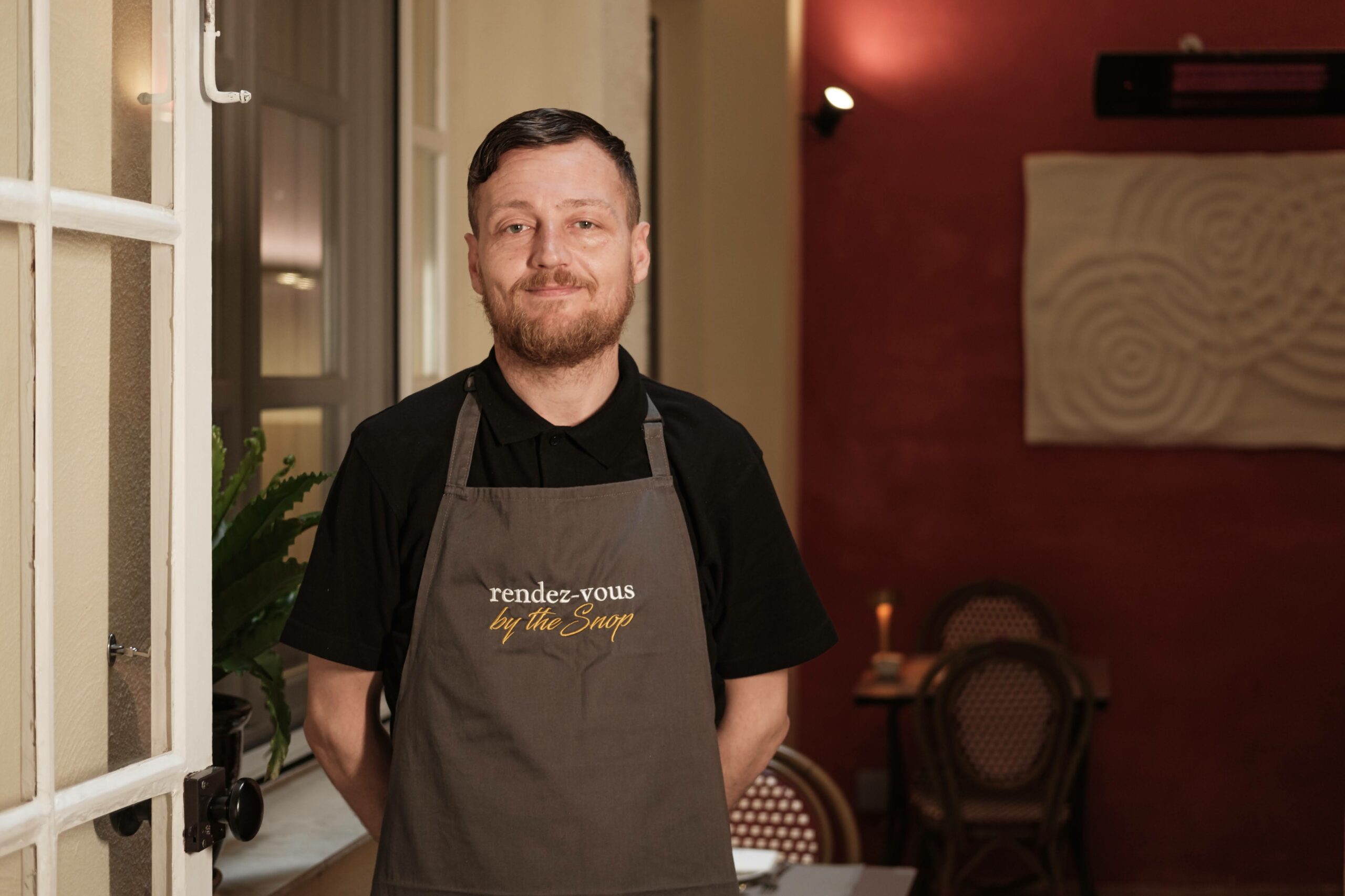
Some hoteliers actively protect the local dimension—by retaining local team members where possible, investing in training, and building hospitality around storytelling rather than scripts. Even when staffing is international, the best properties add local cultural anchors: Maltese hosts at key guest touchpoints, partnerships with neighborhood artisans, and curated guidance that reflects real community knowledge.
A strong example in Senglea is The Snop House, a boutique hotel in the historic Three Cities area that leans into place-based hospitality—where the guest experience is designed to connect visitors with the atmosphere, history, and quiet beauty of the neighborhood.
Why Local Staff Isn’t a Luxury—It’s a Quality Standard
If “authentic travel” is now the expectation, then local rootedness should be treated as a core element of hospitality quality—not an optional extra. In Malta, where history and identity are among the country’s greatest assets, hotels that preserve local presence (or create meaningful ways to transmit local knowledge) offer something travelers remember long after checkout: the feeling of having truly been somewhere.
FAQ: Local Staff and Authentic Hospitality in Malta
Why does local staff matter in hotels?
Local staff bring context—history, customs, food culture, and place-specific recommendations that turn a stay into real immersion.
Is Malta’s hospitality workforce mostly local?
Malta relies strongly on international recruitment in multiple sectors, including tourism and hospitality, with a significant share of foreign employment coming from third-country nationals.
Can hotels stay authentic with international teams?
Yes—when they add local anchors: Maltese hosts at guest touchpoints, training focused on Maltese culture, and partnerships with local businesses and guides.