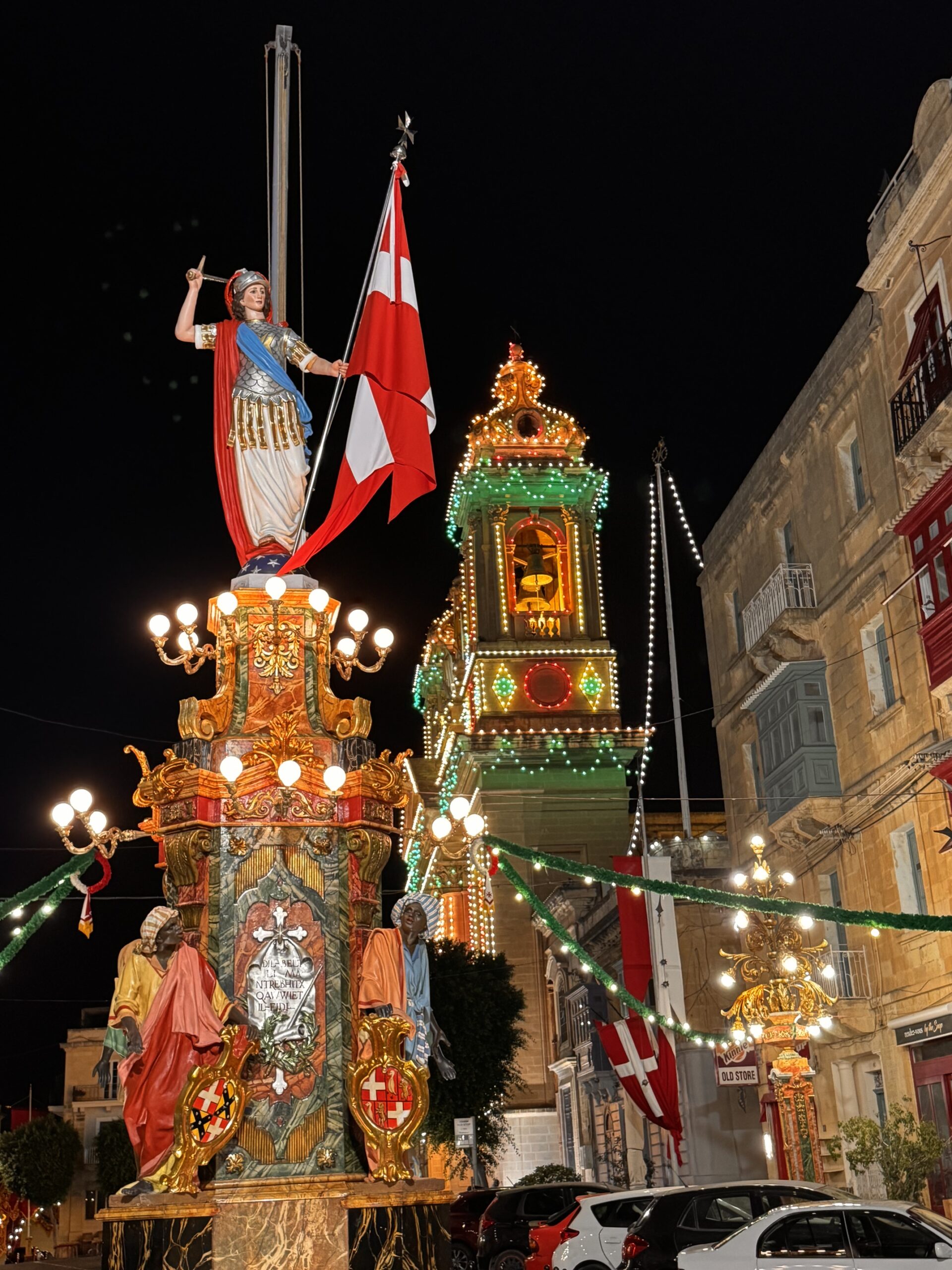
Malta's sun-drenched streets, Baroque palaces and spectacular coastline conceal a much darker side.
For centuries, the archipelago stood at the crossroads of Mediterranean history. Phoenicians, Romans, Arabs, the Knights of St John, French and British forces all left their mark on the islands. Wars, invasions and sieges transformed Malta's cities—and inspired countless stories of spirits that supposedly never left.
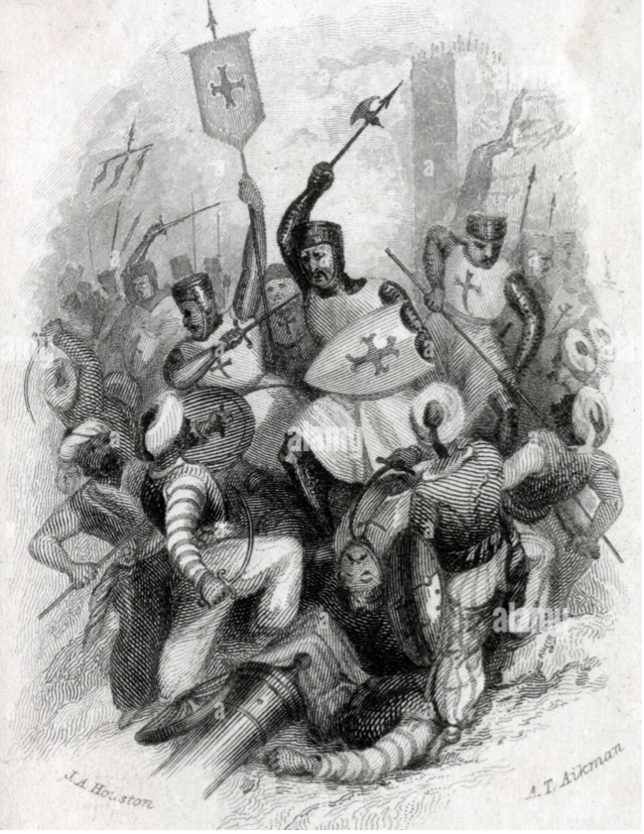
During the Great Siege of Malta in 1565, thousands died as the Knights and Maltese population resisted the Ottoman forces. Centuries later, the Second World War brought destruction back to the islands as Malta endured relentless aerial bombardment.
Against this historical backdrop, tales of unexplained footsteps, mysterious apparitions and restless spirits have become part of Maltese folklore.
Whether you believe in ghosts or simply enjoy a good story, exploring Malta's most haunted places offers a fascinating way to discover another side of the island.
Why Does Malta Have So Many Ghost Stories?
In Malta, history and legend are often closely intertwined. Stories of haunted houses and supernatural encounters have traditionally been passed from one generation to the next. Over time, historical events, family memories and local imagination merge until it becomes difficult to know where fact ends and folklore begins.
The architecture only adds to the atmosphere. Centuries-old limestone houses, underground passages, fortified cities and narrow streets provide the perfect setting for tales of the supernatural.
Unsurprisingly, Valletta and the Three Cities — Birgu, Senglea and Cospicua — feature prominently in Maltese ghost stories. These historic cities witnessed the Great Siege of 1565 and suffered heavily during the Second World War.
Today, their ancient streets are among the best places to explore Malta's legends and darker history.
Haunted Places in Valletta
St Ursula Street and the Blue Dolphin House
By day, St Ursula Street is one of Valletta's most atmospheric streets, lined with traditional Maltese buildings and steep stone staircases. After dark, however, local folklore gives it another identity.
The mysterious Blue Dolphin House has long been associated with stories of unexplained footsteps, fleeting figures and strange presences. Some accounts describe people feeling as though they are being followed along the otherwise empty street.
There may be perfectly rational explanations for such experiences, but the stories have become part of Valletta's rich supernatural folklore.
The Ghost of the Manoel Theatre
The magnificent Manoel Theatre is one of Valletta's great cultural treasures
and one of Europe's oldest working theatres. It also has its own theatrical ghost story.
Over the years, tales have circulated of an unexplained figure appearing inside the theatre after performances, sometimes glimpsed around the stage or dressing rooms.
Actors and theatre technicians have helped keep the story alive, turning the mysterious presence into part of the Manoel Theatre's mythology. True or not, few places could provide a more appropriate setting for a ghost.
The Haunted Splendid Hotel on Strait Street
Strait Street, historically known as The Gut, was once the heart of Valletta's nightlife.
During the British period, its bars, music halls and entertainment venues attracted sailors and servicemen from across the Mediterranean. Among its buildings stands the former Splendid Hotel, the subject of one of Valletta's darker legends.
According to local folklore, a woman was murdered inside the building following a violent argument. Her spirit is said to have remained behind, with stories describing unexplained noises, apparitions and even furniture moving in otherwise empty rooms.
The historical details behind the legend are difficult to establish, but the story has helped make the former Splendid one of the best-known names associated with haunted Valletta.
Lady Grey: The Famous Ghost of Fort St Angelo
Across the Grand Harbour in Birgu, imposing Fort St Angelo has guarded Malta's coastline for centuries. The fortress played a crucial role during the Great Siege of 1565 and was later used for military purposes during British rule and the Second World War.
It is also associated with one of the most famous ghost stories in Malta: Lady Grey. According to legend, Lady Grey was connected to the castle during the medieval period and met a violent end. Her ghost is said to have wandered the fortress ever since.
Over generations, different versions of the story emerged. Some even claim that her apparition appeared to servicemen stationed at the fort.
As with many Maltese legends, historical events and folklore have gradually become intertwined. But wandering through the ancient corridors of Fort St Angelo, it is easy to understand why the story has survived for so long.
The Ghostly Priest of Senglea
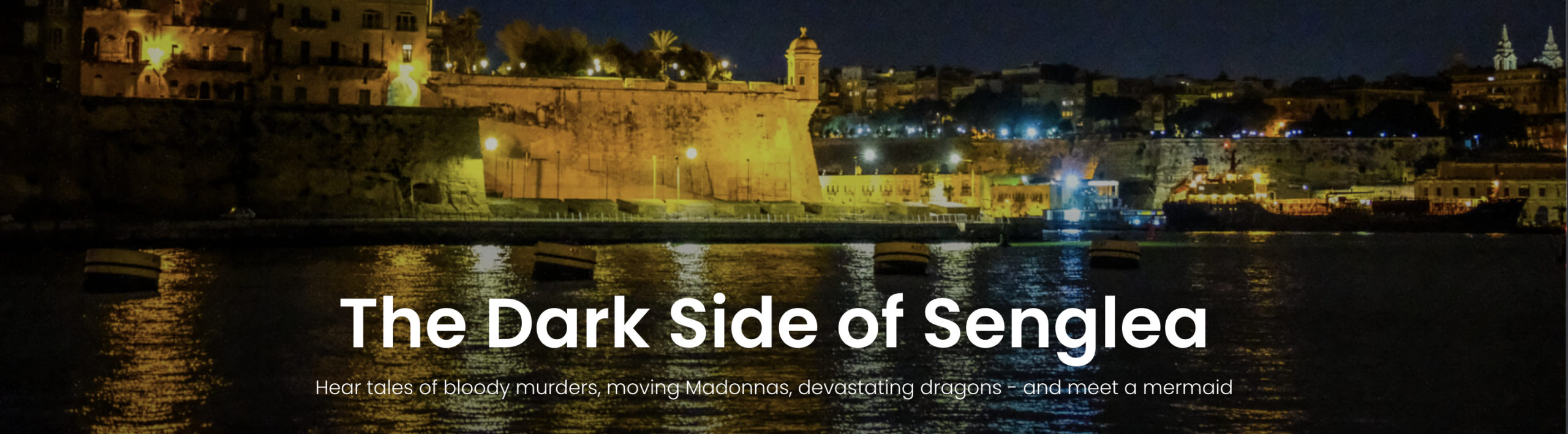
Senglea, one of Malta's historic Three Cities and home to The Snop House, has its own unsettling legends. One of the best known concerns a woman who regularly attended early morning Mass.
According to the story, she arrived at a church before dawn and found the doors already open. Inside, a priest appeared to be celebrating Mass alone at the altar, illuminated only by candlelight. She remained for the service.
But when the priest eventually turned towards her, she supposedly discovered not a human face but a skull. Moments later, other worshippers arrived. The mysterious priest had vanished and there was no indication that a service had taken place.
Whether religious parable, supernatural tale or story embellished through generations, it remains a striking example of Maltese ghost folklore.
Ghosts, War and Malta's Underground World
Some of Malta's most atmospheric stories are inevitably associated with its military past. Beneath Valletta and other fortified areas lies an extraordinary network of tunnels, shelters and underground chambers.
During the Second World War, thousands of people sought protection underground during air raids. Sites such as the Lascaris War Rooms and Malta's wartime shelters provide an insight into what life was like during this period.
While their historical importance is very real, stories of strange sounds and unexplained presences have inevitably grown around some of these underground spaces.
For visitors fascinated by dark tourism in Malta, they offer an opportunity to explore both documented history and the legends it inspired.
Discover Malta After Dark
Malta changes character after sunset. As the crowds disappear and warm streetlights illuminate the limestone walls of Valletta, Birgu and Senglea, the narrow streets of the fortified cities become remarkably atmospheric.
Several guided ghost walks and dark history tours in Malta use these
surroundings to introduce visitors to local legends, unexplained events and some of the darker episodes of the islands' past.
The appeal goes beyond simply being frightened. These stories reveal how generations of Maltese people remembered wars, deaths, family tragedies and unexplained events—and how storytelling became another way of preserving the island's past.
Explore the Legends of the Three Cities from The Snop House
Staying at The Snop House in Senglea places visitors at the heart of this mysterious side of Malta.
Just outside, the streets of the Three Cities reveal centuries of history. Walk towards Birgu and Fort St Angelo as evening falls, explore Senglea's silent lanes or cross the Grand Harbour to discover Valletta after dark.
By day, these fortified cities tell the documented story of knights, sieges and empires. By night, another Malta emerges—one populated by legends, whispered stories and figures that may or may not have disappeared centuries ago.
Are Malta's Ghost Stories True?
That, of course, depends on whom you ask. There is rarely historical evidence to prove the supernatural elements of Malta's famous ghost stories. Details have changed as tales have been passed between generations, and historical facts have sometimes become inseparable
from folklore.
But perhaps proving them is missing the point. Malta's ghost stories form part of the islands' cultural heritage. They reveal how communities transformed traumatic events, mysterious deaths and centuries of conflict into stories capable of surviving long after the people involved had disappeared.
So, on your next visit to Malta, venture beyond the usual tourist routes after sunset. Somewhere between the silent streets of Senglea, the fortifications of Birgu and the shadowy alleys of Valletta, you might discover that Malta's past feels remarkably close.