
Simple yet deeply rooted in Maltese culture, the potato occupies a special place in Malta's culinary and agricultural heritage. Cultivated across the islands for generations, Maltese potatoes are appreciated not only locally but also internationally, particularly in the Netherlands, which imports large quantities every year. But how did this humble tuber become such an essential part of Maltese cuisine and farming traditions?
The Origins of Potatoes in Malta
The potato originally comes from the Andes Mountains in South America, where it was cultivated over 8,000 years ago by pre-Columbian civilisations. Following the Spanish conquest of the Americas during the 16th century, potatoes were introduced to Europe and gradually spread across the continent through trade routes and maritime exchanges.
Like many Mediterranean islands, Malta quickly adopted this new crop thanks to its favourable climate and fertile agricultural land. Over the centuries, potatoes became deeply integrated into Maltese agriculture and everyday cooking, eventually turning into one of the island's most emblematic local products.
Why Maltese Potatoes Are So Highly Valued
Today, Malta is renowned for the exceptional quality of its potatoes.
Several factors contribute to their reputation:
• Rich Mediterranean soil
• Mild winters and sunny climate
• Traditional farming expertise
• Early harvesting season
Maltese potatoes are particularly prized for:
• Their delicate texture
• Thin skin
• Naturally sweet flavour
• Excellent cooking versatility
The islands produce several varieties, many of which are exported across Europe.
Malta and the Netherlands: An Unexpected Potato Connection
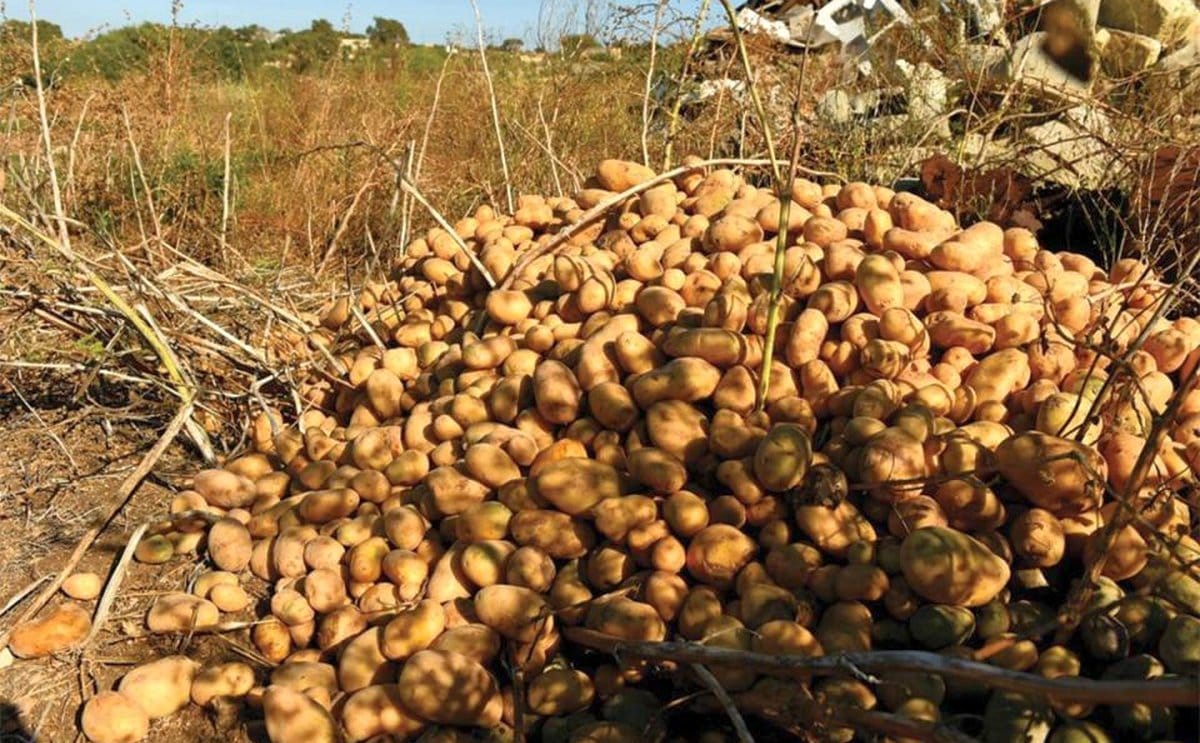
One of the most surprising facts about Maltese agriculture is the strong connection between Malta and the Netherlands through potato exports. Every year, Dutch importers purchase significant quantities of Maltese potatoes, especially during periods when local Dutch production is lower.
Despite being one of Europe's largest potato producers, the Netherlands values Maltese potatoes for their:
• Unique Mediterranean flavour
• Early seasonal availability
• High-quality texture
This export relationship highlights the international reputation of Malta's agricultural products beyond tourism alone.
Potatoes in Traditional Maltese Cuisine
Potatoes are widely used in Maltese cooking, appearing in:
• Roasted dishes
• Rustic stews
• Fish recipes
• Vegetable bakes
• Street food specialities
Their comforting texture pairs perfectly with the aromatic flavours commonly found in Mediterranean cuisine.
One particularly original Maltese preparation combines potatoes with cumin seeds and warm spices, creating a surprisingly fragrant and flavourful dish.

Traditional Maltese Potato Recipe with Cumin Seeds
This simple oven-roasted recipe highlights the natural sweetness of Maltese potatoes while adding aromatic depth through cumin and spices.
This simple oven-roasted recipe highlights the natural sweetness of Maltese potatoes while adding aromatic depth through cumin and spices.
Ingredients
• Small Maltese potatoes (such as Amandine potatoes)
• 1 teaspoon cumin seeds
• 1/2 teaspoon ground ginger
• 1/2 teaspoon paprika
• 1 teaspoon crushed green pepper
• Salt
• 4 tablespoons olive oil
Preparation
1. Preheat the oven to 200°C.
2. Wash and dry the potatoes thoroughly.
3. In a mortar, crush the green pepper and combine it with the cumin seeds, ginger, paprika, salt and olive oil.
4. Cut the potatoes into quarters.
5. Coat the potatoes evenly with the spice mixture.
6. Arrange them on a baking tray lined with baking paper.
7. Roast for 25 to 30 minutes, depending on their size, until golden and tender.
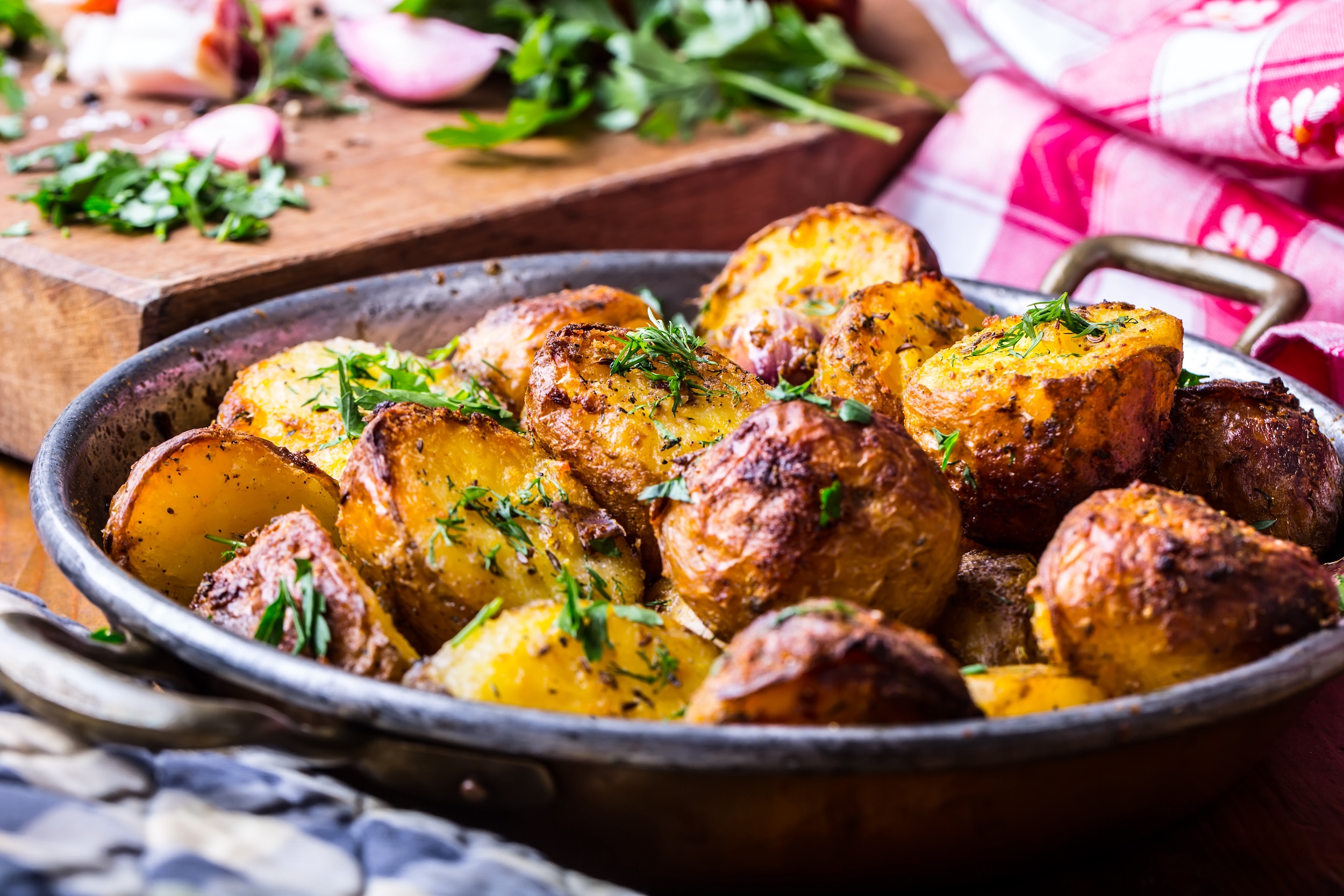
The result is a dish that combines:
• Crispy edges
• Soft interior texture
• Warm Mediterranean spices
• Fresh aromatic notes from the cumin
Perfect as a side dish or enjoyed on its own, it reflects the simplicity and richness of Maltese home cooking.
Discovering Malta Through Its Local Produce
Beyond its beaches and historic cities, Malta also reveals itself through its food traditions and agricultural heritage.
The potato perfectly illustrates this connection between:
• Mediterranean history
• Local farming traditions
• International trade
• Everyday Maltese cuisine
Whether enjoyed in a traditional family recipe or discovered at local markets and restaurants, Maltese potatoes remain an essential part of the island's identity and culinary culture.