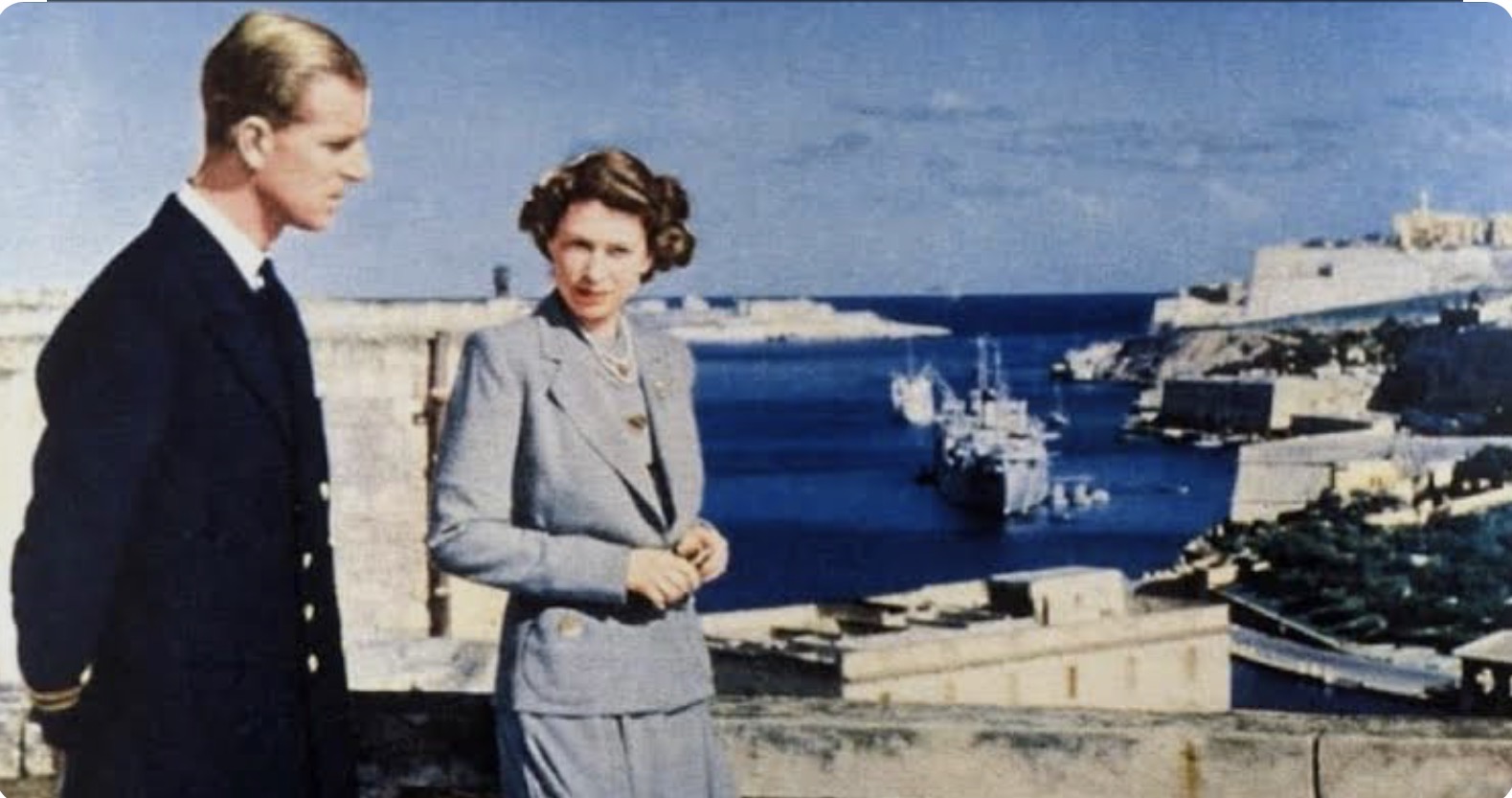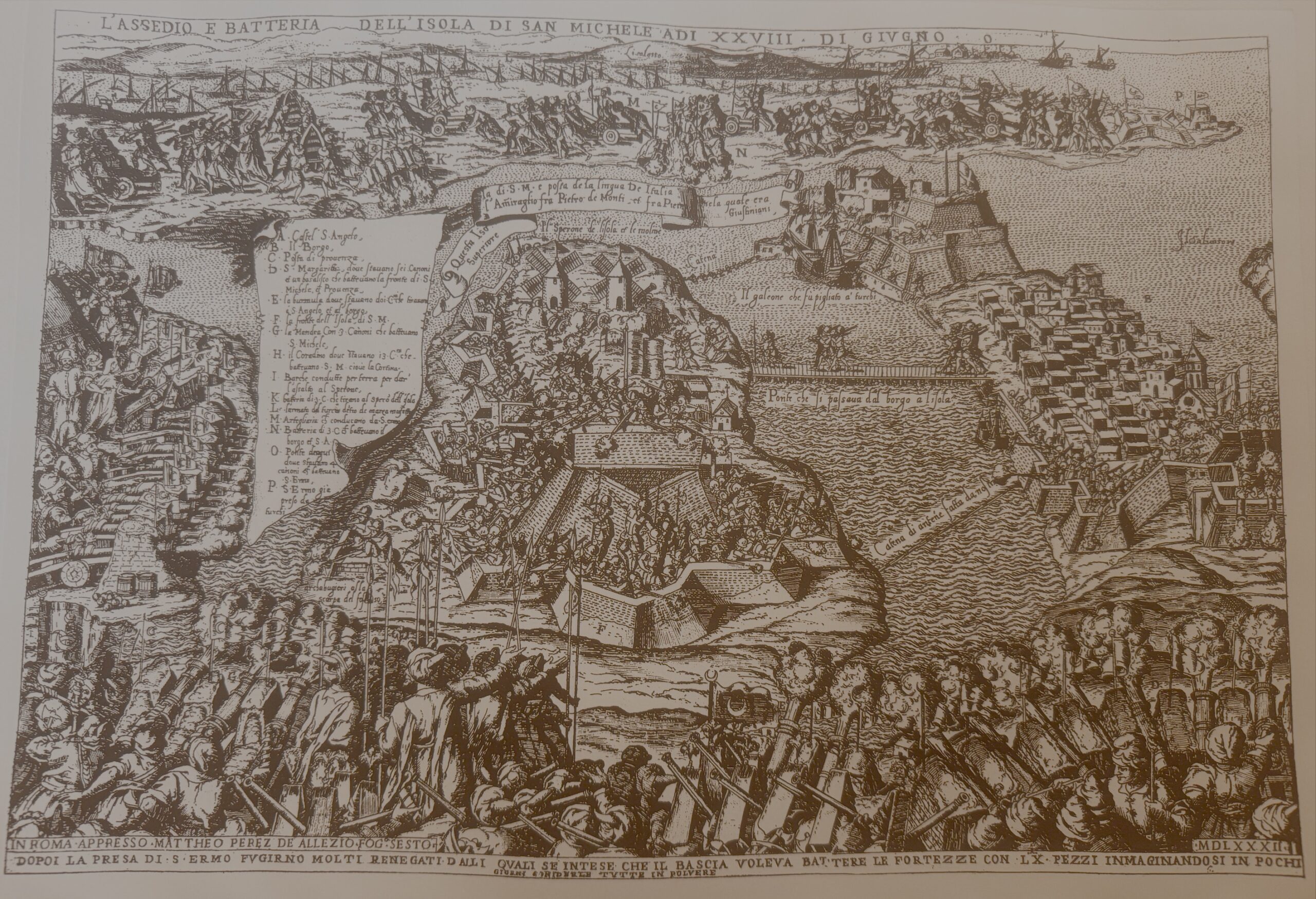
Situated at the crossroads of Mediterranean sea routes, Malta offers some of the most exceptional sunrise and sunset experiences in the region. The island's unique location and vibrant colors create unforgettable moments for visitors. Explore Malta's picturesque landscapes and historical sites to fully appreciate the beauty of this Mediterranean gem.
The Colors of Malta: A Symphony of Hues
Malta is renowned for its distinctive colors, deeply connected to the Maltese stone. The island's palette includes dominant shades such as aurora, ochre, beige, bisque, amber, blond, chamois, Naples yellow, white, and various tones of grey. These colors define Malta's midday summer landscape and contrast beautifully with the blue and green hues of the Mediterranean Sea. The warm, soft “honey" tones of Malta's stone, derived from globigerine limestone, add to the island's unique charm. This golden rock, rich in fossils, transforms its appearance with exposure to air and sunlight, creating a picturesque setting across Malta's buildings and coastlines.
Maltese Sunrises: A Sight to Behold
Witnessing the sunrise over Malta's fortifications, particularly from the grand port of Valletta, is a breathtaking experience. As the sun rises, its light refracts off the ochre stone buildings, creating a stunning visual display. From the terrace of The Snop House, perched at the highest point of Senglea's upper town, visitors can enjoy a 180° panoramic view of the main port and the three cities. Here, the rising sun bathes the landscape, allowing guests to feel the rich history of Malta's past.
Solstice: Experiencing Sunrises in Megalithic Temples
During equinoxes and solstices, the sunlight streams through gates or openings (oracle holes) in Malta's Neolithic temples: Ħaġar Qim and Mnajdra. This experience is a must-see for visitors interested in Malta's ancient history. Although not definitively proven, these millennia-old temples are believed to have been constructed by Neolithic peoples who observed celestial movements, including stars like Sirius, the moon, and the sun. The temples were likely aligned with planetary orientations, seasons, and agricultural cycles.
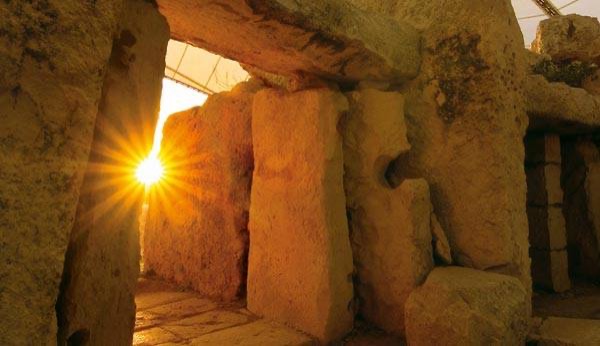
At the Mnajdra Temple (3600 BC), sunlight during solstices and equinoxes illuminates three sacred stones, creating a luminous band that symbolizes the Sun. In the Ħaġar Qim Temple (3000-2500 BC), a ‘corridor of the solstice" aligns with the ‘hole of the oracle." The winter solstice was particularly significant for this civilization, as reflected in the sculpted ‘winter sacred stone," a tribute to the dead.