Few chapters have shaped Malta's history as profoundly as the arrival of the Knights of St John. In 1530, after being driven from Rhodes, the Order of St John established itself on the Maltese archipelago. For the next 268 years, the Knights transformed Malta into a strategic Mediterranean stronghold, building cities, fortifications, churches, palaces and hospitals whose legacy remains visible throughout the islands today.
As Malta prepares to commemorate the 500th anniversary of the Knights' arrival in 2030, discovering their story offers one of the best ways to understand the country's architecture, culture and unique identity.
Who were the Knights of St John?
The Order of St John of Jerusalem, also known as the Knights Hospitaller, originated as a religious and charitable order dedicated to caring for pilgrims and the sick. Over time, it also developed into a powerful military organisation.
After losing Rhodes to the Ottoman Empire in 1522, the Knights spent several years without a permanent home. In 1530, Emperor Charles V granted them Malta and Tripoli, giving the Order a strategically important base between Europe and North Africa. Malta would remain their home until 1798.
The Knights of Malta: from 1530 to 1798
During their 268 years in Malta, the Knights transformed the islands politically, economically and architecturally. The Order was divided into different Langues, representing its principal European geographical and linguistic groups. French-speaking knights played a particularly important role, with the Langues of France, Provence and Auvergne among the Order's most influential divisions. Several Grand Masters left a lasting mark on Malta.
Philippe de Villiers de L'Isle-Adam
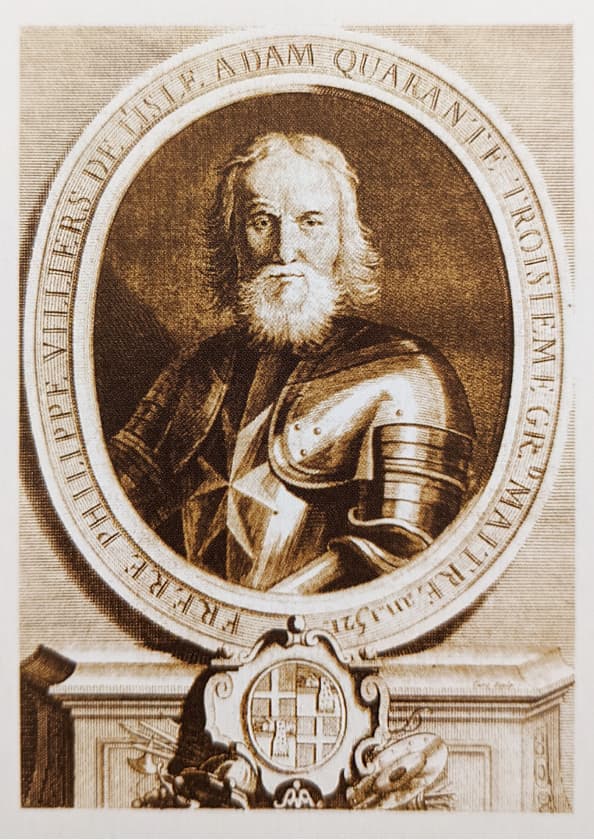
Philippe de Villiers de L'Isle-Adam was the Grand Master who led the Order from Rhodes into its Maltese era. Following the agreement with Charles V, he became the first Grand Master to govern the Knights from Malta.
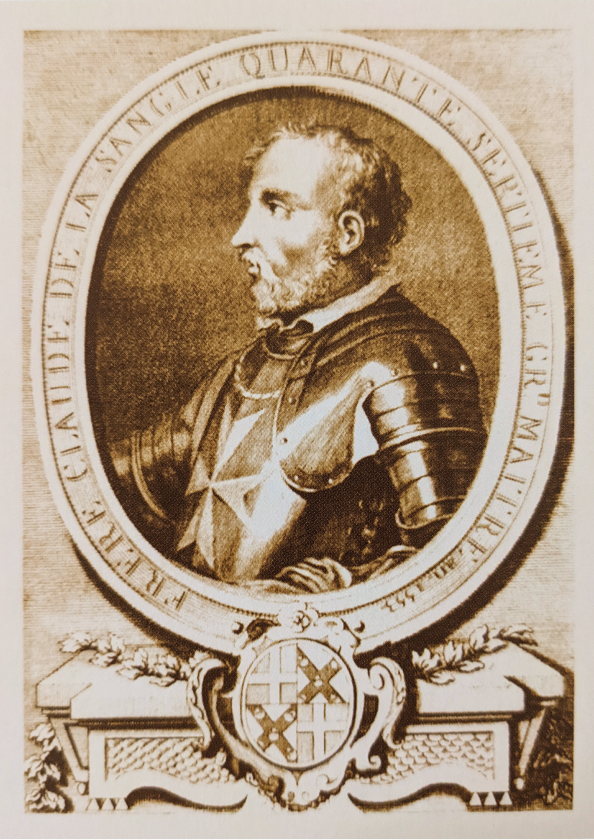
Claude de La Sengle
Grand Master Claude de La Sengle strengthened Malta's fortifications during the sixteenth century. His name survives in Senglea, one of Malta's historic Three Cities and home to The Snop House. The fortified city was developed during his rule as Malta prepared for the growing Ottoman threat.
Jean Parisot de La Valette
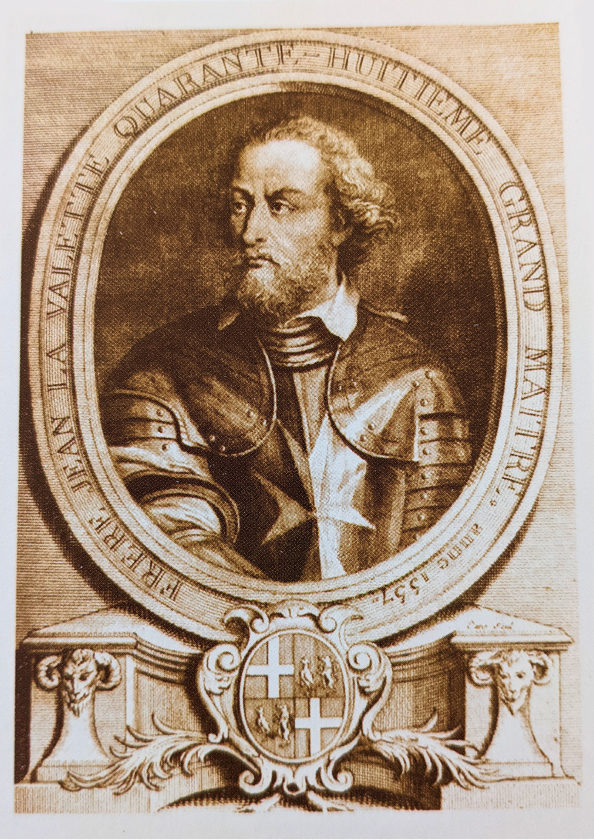
Perhaps no figure is more closely associated with the Knights of Malta than Jean Parisot de La Valette. Grand Master from 1557 to 1568, he led the defence of Malta during the Great Siege of 1565, when the Knights and Maltese population resisted a massive Ottoman invasion. Following the victory, La Valette initiated the construction of a new fortified capital. That city became Valletta, which still bears his name today.
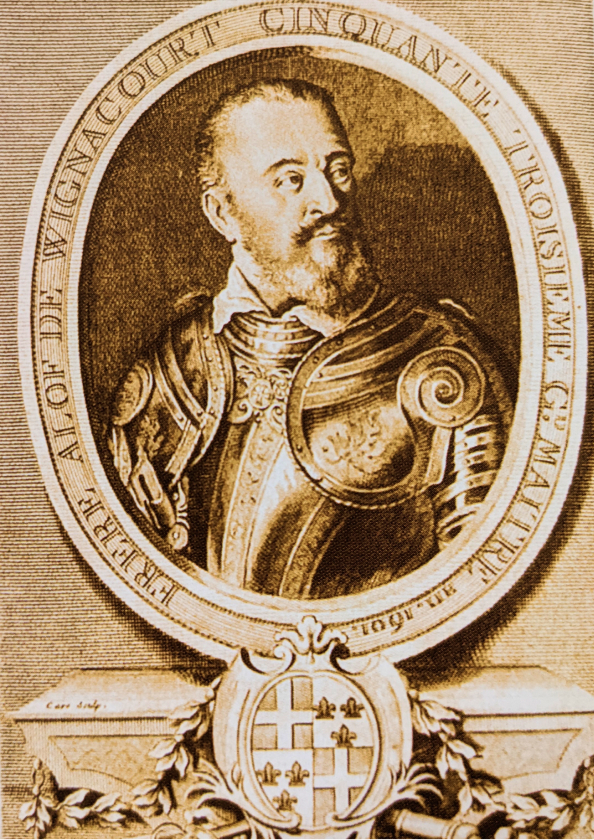
Alof de Wignacourt
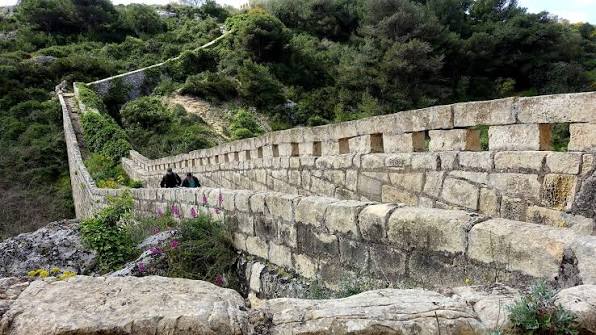
Grand Master Alof de Wignacourt, who governed between 1601 and 1622, oversaw major infrastructure and defensive projects, including watchtowers and the Wignacourt Aqueduct. His era is also closely associated with Caravaggio, who arrived in Malta in 1607 and became a Knight of the Order.
Antonio Manoel de Vilhena
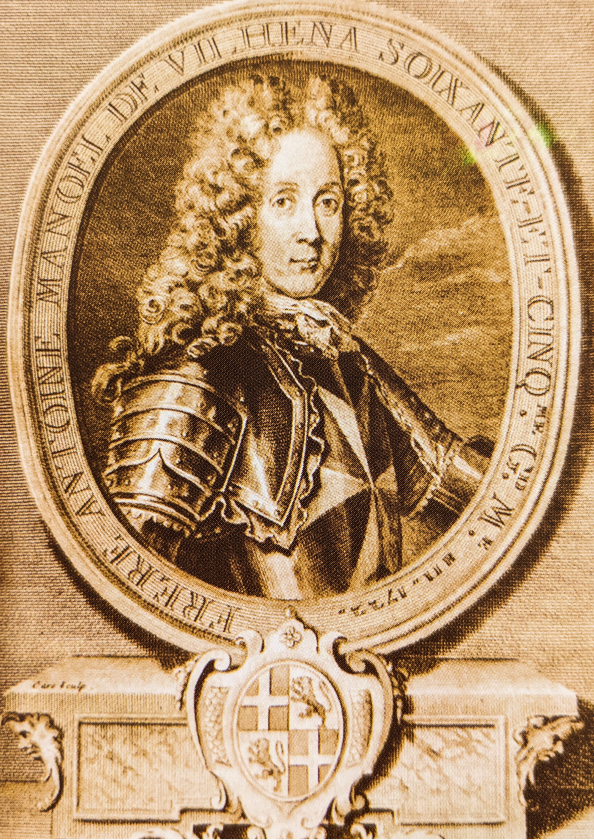
In the eighteenth century, Antonio Manoel de Vilhena continued to transform the islands through ambitious architectural projects. His legacy includes Fort Manoel and the magnificent Manoel Theatre in Valletta, which remains one of Europe's oldest working theatres.
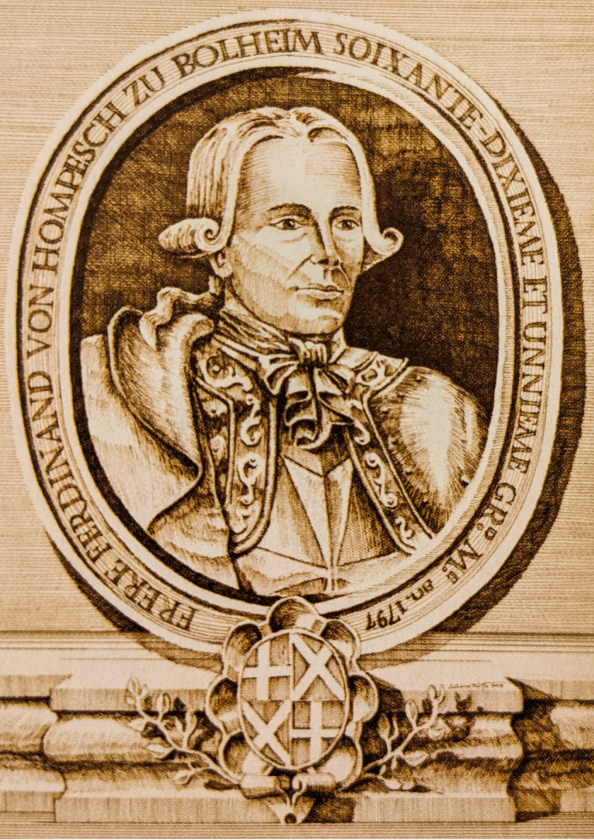
Ferdinand von Hompesch
Ferdinand von Hompesch zu Bolheim became the final Grand Master to govern Malta. His rule ended abruptly in 1798 when Napoleon Bonaparte arrived on the island, bringing nearly three centuries of Hospitaller rule to an end.
The Great Siege of Malta in 1565
The defining military event of the Knights' presence was undoubtedly the Great Siege of Malta. In May 1565, a powerful Ottoman fleet arrived with the objective of capturing the strategically important islands. The Knights, supported by Maltese soldiers and civilians, defended fortifications around the Grand Harbour for several months. Some of the fiercest fighting took place around Fort St Elmo, Birgu and Senglea. Against overwhelming odds, the defenders resisted until reinforcements arrived from Sicily in September.
The victory transformed the Knights into celebrated defenders of Christian Europe and fundamentally changed Malta's future.
The Birth of Valletta
Following the Great Siege, the Knights recognised the need for an even stronger fortified capital. Construction of Valletta began in 1566 on the Sciberras Peninsula. Designed as both a military fortress and a modern Renaissance city, it became one of Europe's most ambitious urban projects of the period.
The Knights filled their new capital with remarkable buildings, including:
- St John's Co-Cathedral;
- the Grand Master's Palace;
- the Auberges of the different Langues;
- hospitals and religious institutions;
- defensive walls and bastions overlooking the Grand Harbour.
Today, Valletta's historic centre is recognised as a UNESCO World Heritage Site, and the architectural legacy of the Knights remains visible almost everywhere.
The Three Cities and the Knights of Malta
The history of the Knights cannot be understood through Valletta alone. Across the Grand Harbour, the Three Cities - Birgu (Vittoriosa), Senglea and Cospicua - played a crucial role in the Order's history.
Birgu became the Knights' principal base when they first arrived in Malta in 1530. Its imposing Fort St Angelo served as the headquarters of Grand Master Jean de La Valette during the Great Siege.
Neighbouring Senglea developed into another essential defensive position and was named after Grand Master Claude de La Sengle.
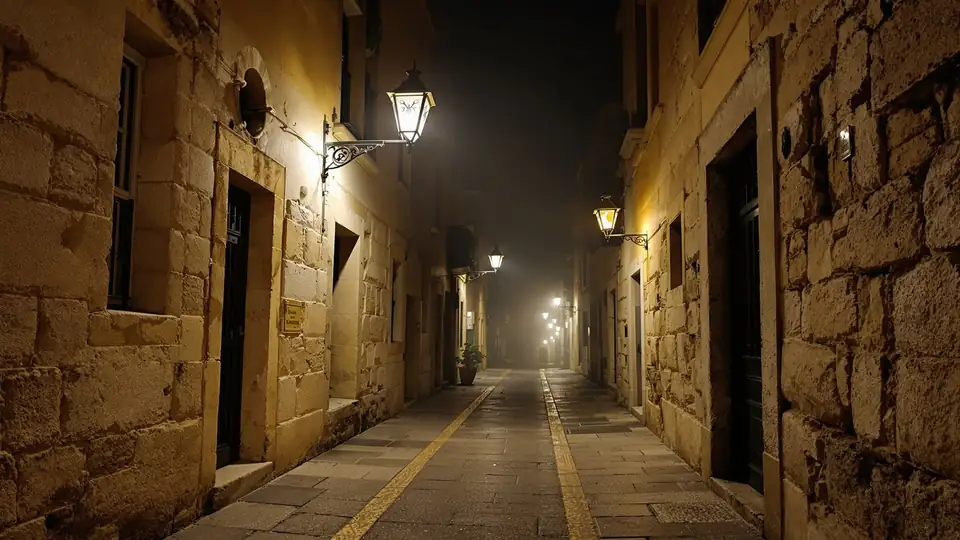
Walking through these cities today offers one of the most atmospheric ways to experience the history of the Knights of St John in Malta.
The Knights as a Mediterranean Naval Power
The Order was not only a religious and military organisation on land. From Malta, the Knights also developed a formidable naval presence in the Mediterranean. Their galleys patrolled maritime routes and confronted Ottoman and North African forces. Privateering became an important element of the Order's military strategy and economy, reinforcing Malta's position at the crossroads of Mediterranean trade and conflict.
Among the figures associated with this maritime tradition was the French naval officer and Knight Pierre-Andre de Suffren, who spent part of his career connected to the Order before becoming one of France's most celebrated eighteenth-century admirals.
This maritime heritage remains an important part of the historical relationship between France and Malta.
What did the Knights of Malta build?
The Knights left an extraordinary architectural legacy across the archipelago. Fortifications such as Fort St Elmo, Fort St Angelo and the Cottonera Lines reveal Malta's military importance, while palaces, auberges, churches and hospitals demonstrate the Order's political, religious and cultural influence. Their architecture also transformed Malta's characteristic honey-coloured limestone into monumental Baroque and Renaissance cityscapes. Nearly five centuries later, these buildings remain an essential part of Malta's identity and one of the main reasons travellers come to explore the islands.
Why did the Knights leave Malta?
The Knights' rule came to an abrupt end in 1798. While sailing towards Egypt, Napoleon Bonaparte arrived in Malta with a powerful French fleet. The Order, weakened by internal divisions and constrained by its own rules regarding conflict with Christian powers, surrendered. After 268 years, the Knights left Malta.
Following a period of displacement, the Order eventually established its headquarters in Rome, where the Sovereign Military Order of Malta continues its humanitarian activities today.
A Legacy That Lives On
The Knights may have left Malta more than two centuries ago, but their presence remains everywhere. It can be seen in Valletta's bastions, the narrow streets of Birgu, the fortifications of Senglea, the grandeur of St John's Co-Cathedral and the silhouette of Fort St Angelo overlooking the Grand Harbour.
Their maritime legacy is also celebrated through cultural initiatives and events that keep alive the centuries-old connections between Malta and the rest of Europe.
For visitors, exploring this heritage is not simply about discovering Malta's past. It is about understanding how the Knights helped create the Malta we know today.
2030: 500 Years Since the Arrival of the Knights in Malta
In 2030, Malta will mark 500 years since the arrival of the Knights of St John. The anniversary offers an opportunity to rediscover one of the most influential periods in Maltese history and the extraordinary legacy it left behind.
From military strategy and maritime power to architecture, art, religion and healthcare, the Order transformed a small Mediterranean archipelago into a crossroads between cultures and European powers.
Discover the Heritage of the Knights from The Snop House
Staying at The Snop House in Senglea places visitors at the heart of this remarkable history. Senglea itself owes its name to Grand Master Claude de La Sengle, while the fortifications, streets and harbour surrounding the hotel preserve traces of the
Knights' presence. From here, visitors can easily explore Birgu and Fort St Angelo, cross the Grand Harbour to Valletta, visit St John's Co-Cathedral and follow the story of the Order through almost three centuries of Maltese history.
Nearly 500 years after their arrival, the Knights of St John remain inseparable from Malta's identity. Their story survives not only in museums and history books, but in the very stones, streets and harbours of the island.